
Introduction to Winter Work Coats
The Importance of Winter Work Coats
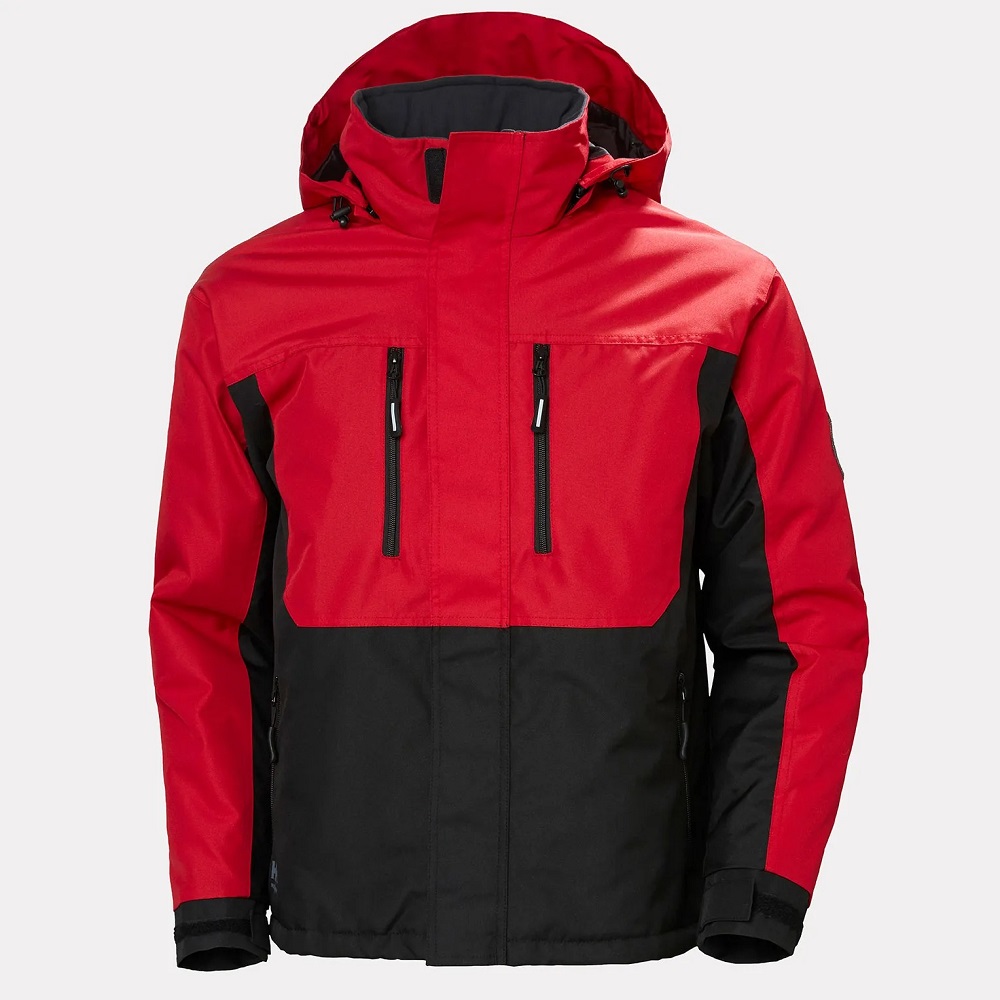
As winter approaches, professionals in various fields face the challenge of staying warm while performing their jobs. A reliable winter work coat is essential for protection against harsh weather conditions. These coats not only offer warmth but also play a critical role in safety and comfort during long hours outdoors. Selecting the right winter work coat can significantly affect productivity and well-being while on the job.
Varieties Across Professions
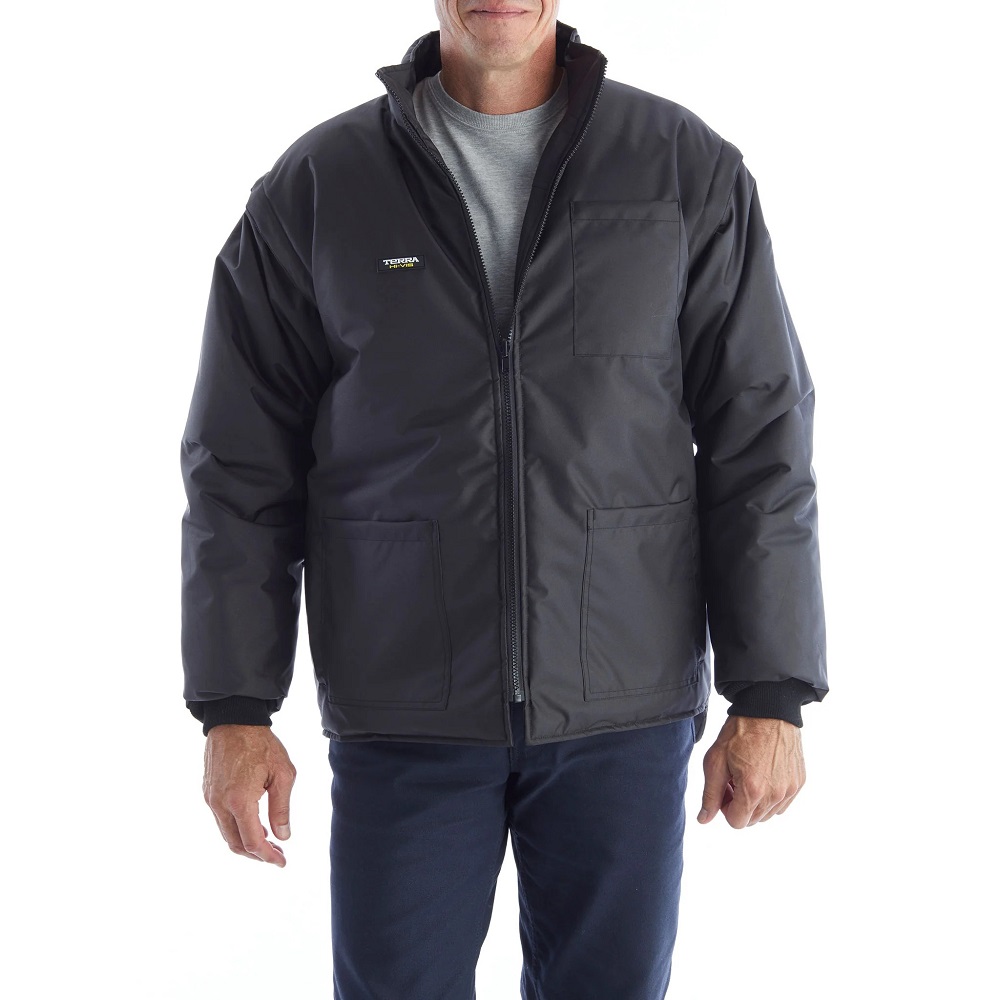
Different professions have unique requirements for winter work coats. For example, a construction worker may need a coat that offers durability and water resistance, while someone in the healthcare field might prioritize mobility and breathability. Understanding how a coat fits into your work environment is crucial. Selecting an appropriate coat that meets both occupational and environmental needs can enhance performance and ensure safety.
Purpose of This Guide
This guide aims to provide helpful insights into selecting the right winter work coat for your profession. We will explore various styles, essential features to consider, and tips for finding the best coat suitable for your specific needs. By the end of this article, you will have the necessary information to make an informed decision on the perfect winter work coat.
Understanding Different Work Environments
Outdoor Professions
For those working outdoors, such as construction workers or landscapers, choosing a winter work coat requires attention to specific features. These professions often involve exposure to cold temperatures, wind, and precipitation. As a result, a coat that provides warmth and protection from the elements is crucial. Key features should include insulation, waterproofing, and wind resistance to keep workers comfortable during outdoor tasks.
Indoor Professions
On the contrary, indoor professions like those in warehouses or manufacturing facilities may require a different approach. While these environments may be less exposed to extreme weather conditions, they can still get chilly. Therefore, workers often need coats that are warm but also breathable to prevent overheating when moving around. Light insulation and moisture-wicking materials are beneficial for indoor settings.
Hybrid Work Environments
Some professions require workers to transition between indoor and outdoor settings. These hybrid environments can complicate coat selection, as versatility becomes key. Workers in fields such as delivery services or maintenance often need a coat that can adapt to changing conditions. A multifunctional coat that is lightweight yet warm, with added features like removable insulation, can provide the best of both worlds for these professionals.
Features to Consider in a Winter Work Coat
Insulation Types
The type of insulation is one of the most critical factors in selecting a winter work coat. Popular options include down, synthetic, and fleece insulation. Down insulation offers excellent warmth-to-weight performance but may lose effectiveness when wet. Synthetic insulation, like polyester, retains warmth even when damp and is typically more affordable. Fleece, while not as warm on its own, can serve as a comfortable lining or mid-layer.
Waterproofing and Breathability
Choosing a coat with waterproof capabilities is essential if you work in wet conditions. Look for coats made with waterproof materials or coatings. Features like sealed seams and water-resistant zippers can improve protection from rain and snow. However, breathability is also crucial to prevent sweat buildup during active work. Find a balance between waterproofing and breathability, ensuring that the coat keeps you dry without trapping moisture inside.
Durability and Construction
The durability of a winter work coat directly affects its lifespan and overall performance. Look for coats made from high-quality, durable fabrics that can withstand the rigors of your profession. Reinforced stitching, heavy-duty zippers, and robust materials like nylon or polyester can enhance durability. Keep an eye out for coats that allow for easy movement while retaining structural integrity during wear.
Understanding Fit and Comfort
Sizing for Layering
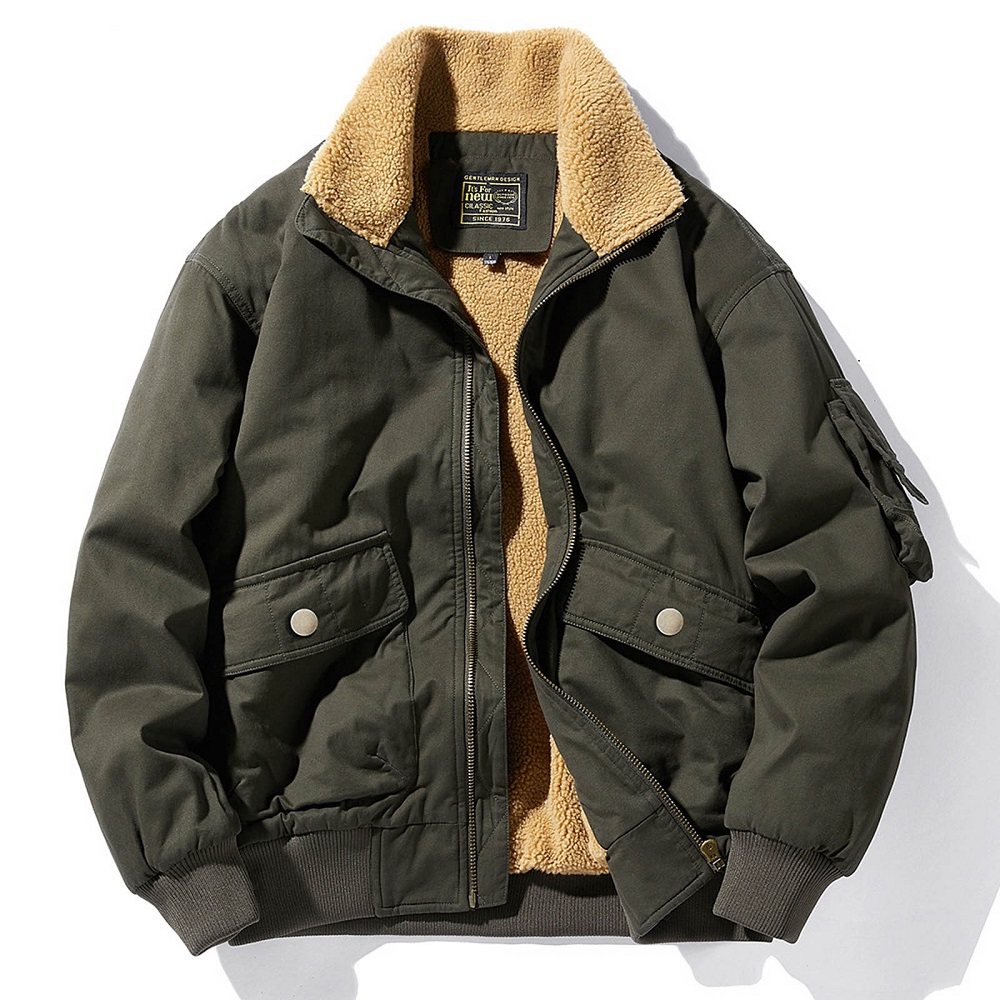
A winter work coat should fit comfortably over the clothing you plan to wear underneath. When selecting a coat, consider the layering system. Ensure there is enough room for insulation layers and active clothing without feeling restrictive. A good fit allows for ease of movement, which is essential for manual labor or tasks requiring mobility.
Adjustable Features
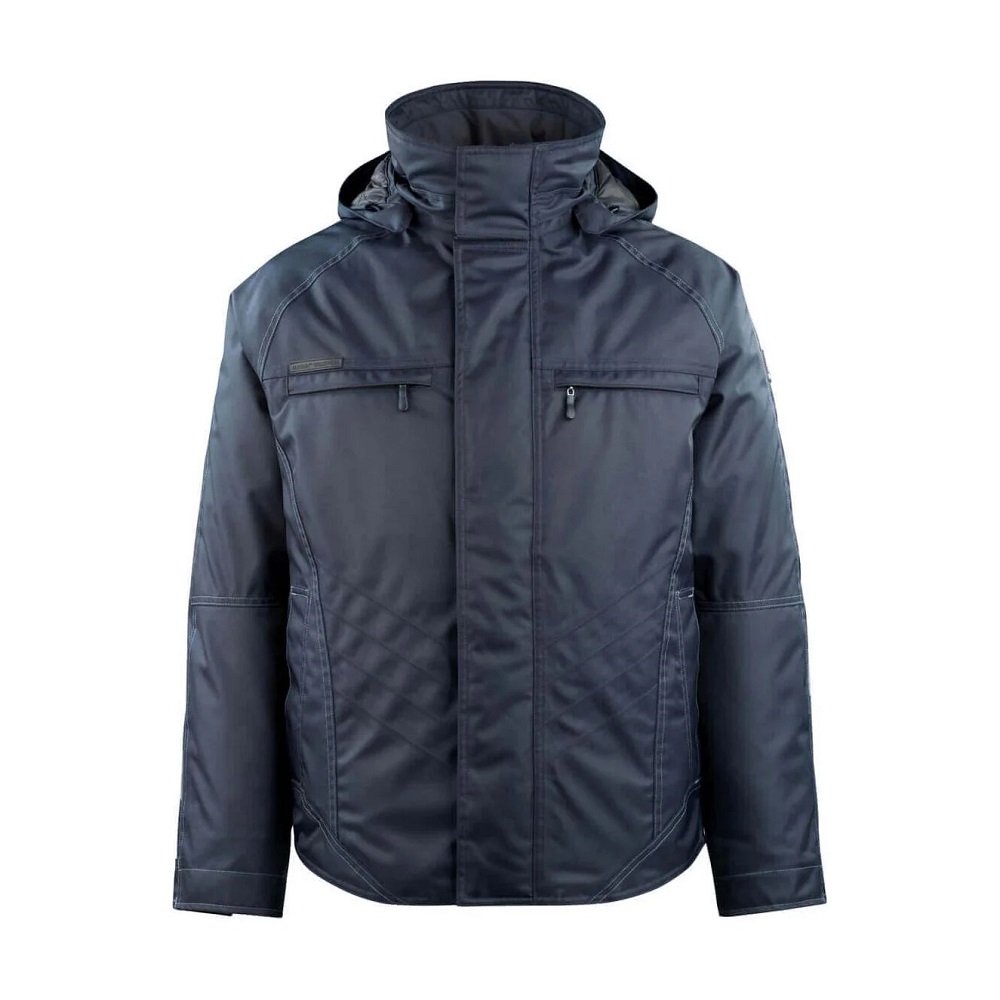
Coats with adjustable elements can greatly enhance comfort and fit. Features like adjustable cuffs, hoods, and waistbands allow for customization based on personal preference. These adjustments can help retain warmth and keep cold air out during harsh conditions. Look for models that offer flexibility in their design to accommodate individual needs.
Overall Comfort
Comfort should always be a priority when selecting a winter work coat. The coat should feel good against the skin, especially if worn for long hours. Look for soft linings, ergonomic designs, and features that reduce chafing, such as smooth zippers and reinforced seams. A comfortable coat will keep you focused on your tasks rather than on potential discomfort.
Evaluating Industry-Specific Needs
Construction and Manual Labor
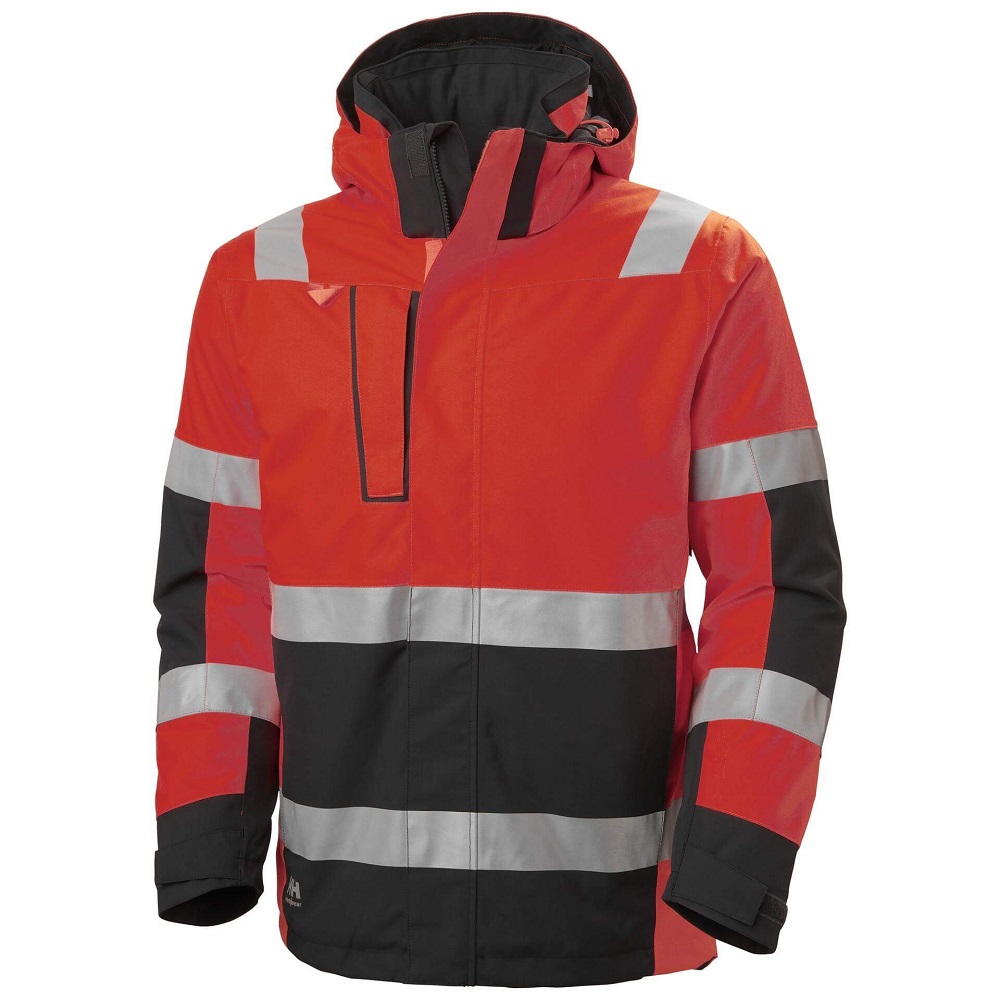
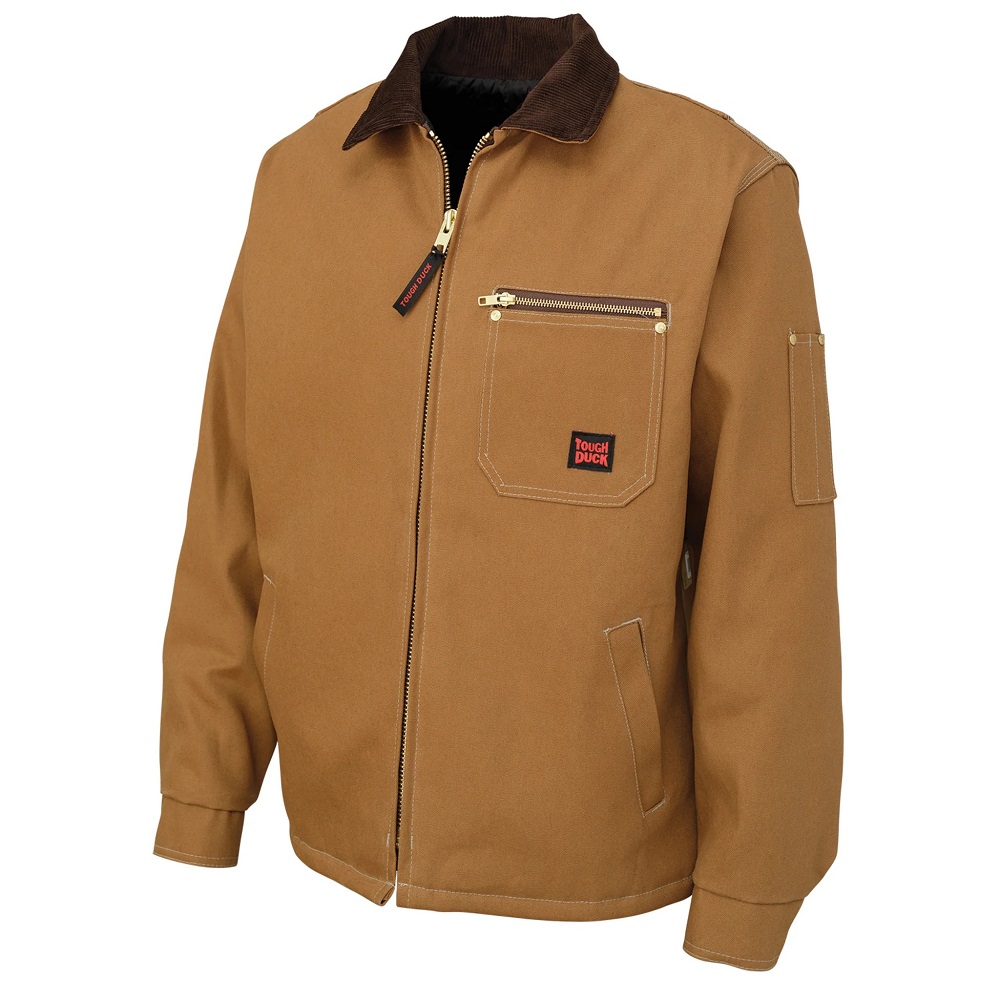
In the construction industry, safety and functionality are paramount. A winter work coat suitable for this setting should have high visibility features, such as reflective strips. Additionally, it should be tough enough to endure rugged conditions. Look for coats that are insulated, waterproof, and designed with pockets for tools and equipment. Durable fabrics that resist wear and tear are also essential for this line of work.
Healthcare and Hospitality
Healthcare professionals often work in environments with fluctuating temperatures. A practical winter coat for this setting should be lightweight and breathable while offering warmth. Coats designed for healthcare workers might also have easy-to-clean fabrics or antimicrobial properties. In hospitality settings, stylistic considerations may play a role, so look for formal designs that maintain professionalism while providing comfort.
Delivery and Transportation Services
Workers in delivery or transportation services often endure weather changes throughout their shifts. Therefore, a versatile coat that transitions easily between indoor and outdoor settings is ideal. Features such as removable liners, multiple pockets for storage, and ease of movement are invaluable. Insulation must also be appropriate for active work, ensuring comfort and warmth during evening or late-night deliveries.
Care and Maintenance Tips for Your Coat
Cleaning Instructions
Taking care of your winter work coat is vital to ensuring its longevity. Always read the care labels for specific washing instructions. Many work coats can be safely machine washed, but certain fabrics may require special attention. Avoid aggressive detergents and fabric softeners, as these can damage water-resistant coatings on your coat.
Storing Your Coat
Proper storage of your winter work coat when not in use is essential. Make sure it is clean before putting it away, as dirt and grime can cause deterioration over time. Storing your coat in a cool, dry place allows it to retain its shape and longevity. Avoid cramming it into a small space, as this can lead to creases and permanent wrinkles.
Regular Inspections
Do regular checks for wear and tear on your work coat, especially if you wear it frequently. Look for fraying seams, damaged zippers, or any signs of insulation breakdown. Prompt repairs can save you from needing a replacement sooner than expected. If repairs are necessary, consult a professional or follow manufacturer guidelines for DIY fixes.
Budgeting for Your Winter Work Coat
Determining Your Price Range
When shopping for a winter work coat, it is essential to determine your budget ahead of time. Prices can vary widely based on the brand, materials, and features. Setting a reasonable budget will help narrow down your options without sacrificing quality. Remember that investing in a durable and capable coat pays off in the long run.
Comparing Features and Prices
As you identify potential coats within your budget, focus on comparing features and specifications. A coat that appears more expensive might offer additional safety features or superior materials. Spend some time analyzing different options and how they align with your specific work needs. Look for sales or seasonal offers that can provide greater value without compromising quality.
Considering Long-term Value
Although the initial cost of a winter work coat may seem significant, consider its long-term value. A high-quality coat can last for several seasons and withstand tough working conditions. Assess its durability and functionality instead of focusing solely on the price tag. A coat that offers great performance will ultimately save money and increase satisfaction over time.
Conclusion
Recap of Important Considerations
Choosing the right winter work coat involves understanding your specific needs based on your profession. Consider factors such as insulation, waterproofing, and fit when selecting the perfect coat. Each of these aspects contributes to comfort and safety during the cold months. A well-chosen coat can enhance performance and ensure warmth while on the job.
Investing in Quality and Durability
Investing in a high-quality winter work coat is essential for anyone who works outdoors or in cold conditions. A durable coat will provide necessary protection and comfort, ultimately enhancing productivity and morale. Pay attention to the features that align with your needs, ensuring a successful purchase that satisfies both style and function.
Enjoying Winter Comfort and Safety
In summary, having the right winter work coat is not just about style—it’s vital for maintaining comfort and safety during chilly months. As winter approaches, make a commitment to find a coat that serves your profession effectively. With careful consideration of your options, you can choose a winter work coat that will keep you warm, protect you, and make work more enjoyable.