
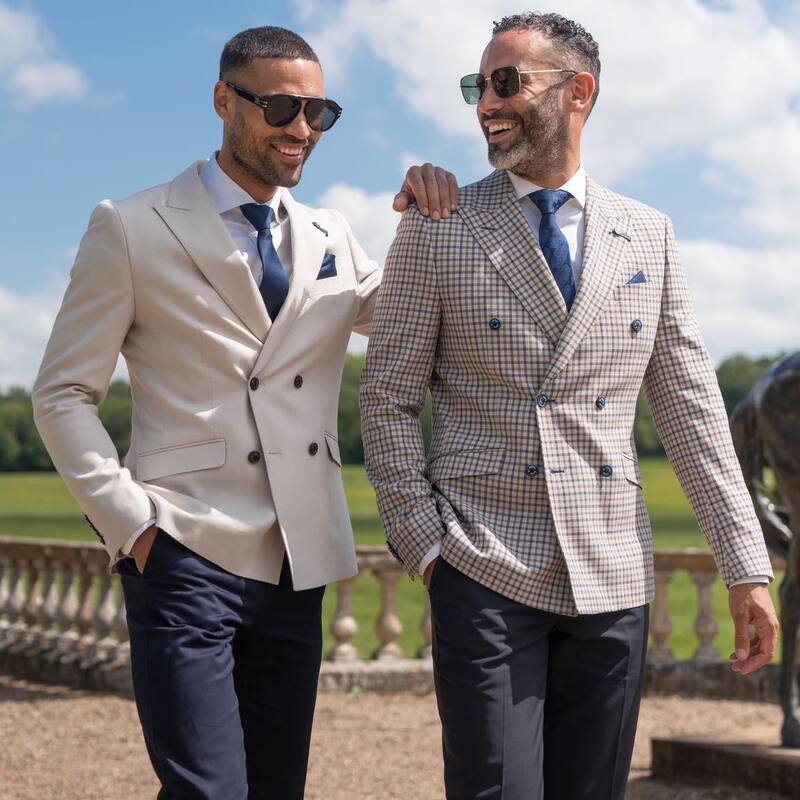
Men’s suits have long been symbols of sophistication and authority. They represent a blend of tradition, style, and individuality. In today’s fast-paced world, suits remain essential for various occasions. Whether it’s a wedding, business meeting, or formal event, a well-fitted suit enhances a man’s appearance and confidence.
Understanding the nuances of suits can serve as a foundation for making informed choices. With countless styles, fabrics, and fits available, knowing the basics is crucial. This article delves into the significance of men’s suits, their various components, fit, and styling. It will also discuss how to choose the perfect suit to cater to different occasions, ensuring that every man can feel confident and well-dressed.
The Historical Context of Men’s Suits
The Evolution of Men’s Fashion
Men’s fashion has transformed drastically over the centuries. The origins of the modern suit can be traced back to the 17th century. During this period, European nobles began wearing fitted coats and trousers. These garments laid the groundwork for today’s contemporary suits. As societies evolved, so too did men’s clothing, reflecting the cultural changes and social dynamics of each era.
By the 19th century, the suit began to resemble what we now recognize. The Industrial Revolution played a pivotal role in popularizing tailored suits. As the middle class emerged, so did the demand for stylish, affordable clothing. Tailoring evolved, introducing innovations like the ready-to-wear suit, making stylish ensembles accessible to a wider audience.
The Suit as a Symbol of Status
Throughout history, the suit has served as a marker of status. In the 20th century, tailoring reached new heights of refinement. Elegant silhouettes and luxurious fabrics became synonymous with high society. Moreover, iconic figures, like Winston Churchill and Frank Sinatra, made suits a staple in the masculine wardrobe. Their influence popularized various styles, cementing the suit’s identity as a symbol of power and success.
Suits are still seen in corporate settings, emphasizing professionalism. However, they also permeate casual spaces, demonstrating versatility. Consequently, the suit has evolved into an expression of personality and lifestyle. Today, men choose suits that mirror their unique tastes while respecting tradition. This balance reflects the ongoing relevance of suits in modern men’s wardrobes.
Understanding Suit Components
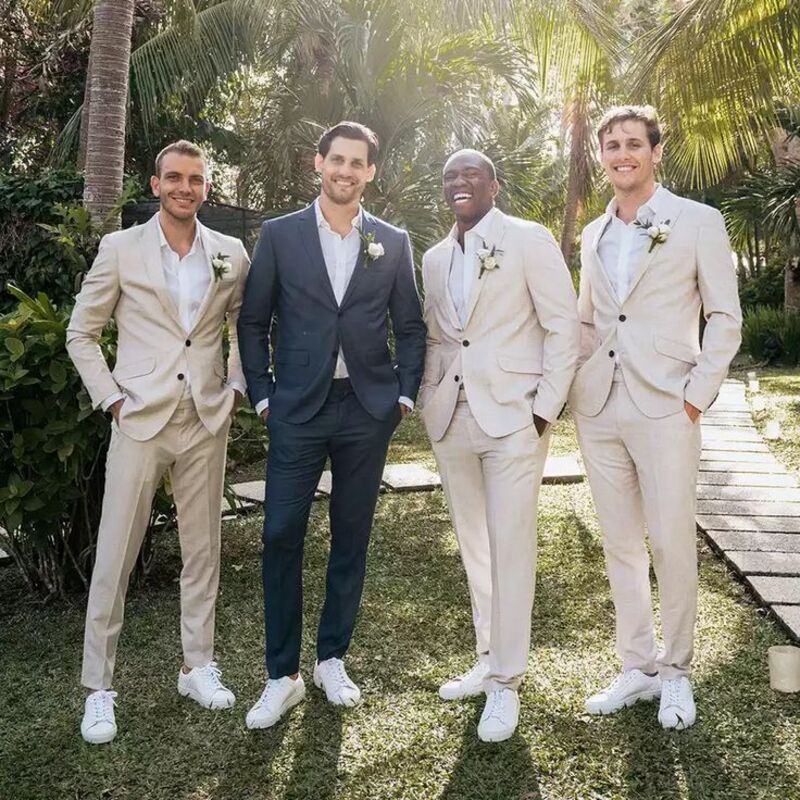
The Jacket
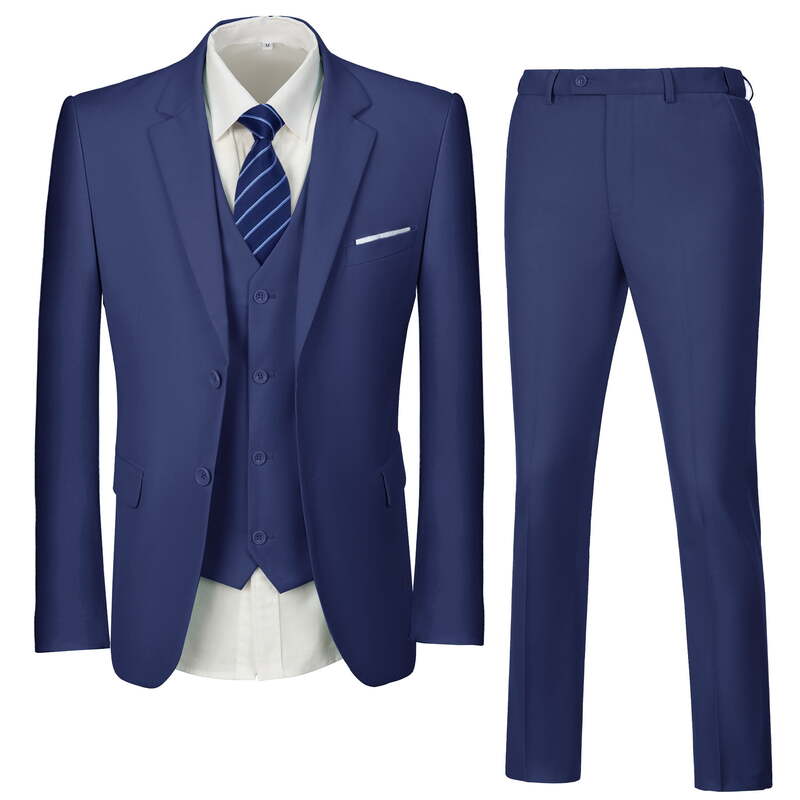
A suit jacket is the centerpiece of any suit ensemble. The design of a jacket can greatly influence the overall look. There are different styles for jackets, including single-breasted and double-breasted. Single-breasted jackets are more common and versatile for various occasions. They typically have one or two rows of buttons, creating a streamlined appearance. Meanwhile, double-breasted jackets feature overlapping front flaps and can exude a classic, authoritative look.
Another consideration is the lapel style. Notch lapels are the most popular option, suitable for various occasions. Shawl lapels, on the other hand, offer a more sophisticated touch, often seen in formal situations. Lastly, peak lapels project confidence and can elevate a man’s stature.
The Trousers
Suit trousers are equally important for achieving the right look. The fit and style of trousers can vary significantly. Flat-front trousers are modern and streamlined, giving a cleaner appearance. Conversely, pleated trousers offer more room and are often more comfortable. When considering the right fit, it’s essential to think about personal comfort.
The length and break of the trousers also contribute to the overall style. A no-break design showcases sleek lines and minimal fuss. However, a slight break can add a relaxed touch, making the outfit more approachable. Choosing the right trousers can enhance both style and comfort, contributing to a confident appearance.
Selecting the Right Fit
Tailored vs. Off-the-Rack
Choosing between tailored and off-the-rack suits requires understanding personal preferences. Off-the-rack suits are ready-made and available in various sizes. They offer convenience and affordability. However, they may not always provide the best fit. So personal adjustments often become necessary.
On the other hand, tailored suits are customized to fit individual measurements. They ensure that every component aligns perfectly with the wearer’s body type. This level of personalization enhances comfort, leading to a confident appearance. Although tailored suits often come with a higher price tag, the investment can yield significant returns.
Understanding Sizing and Measurements
Knowing how to take accurate measurements is vital when selecting a suit. Key dimensions include shoulder width, chest girth, and waist size. Additionally, inseam and sleeve length provide crucial insights for fit. It’s important to wear a dress shirt when measuring to ensure a proper fit.
When trying on suits, always move around to check comfort levels. Assess arm movements, sitting, and walking to determine if the suit accommodates your lifestyle. A well-fitted suit should feel comfortable yet structured. Therefore, the most flattering suit enhances your best features while allowing freedom of movement.
Choosing the Right Fabric
Natural vs. Synthetic Fabrics
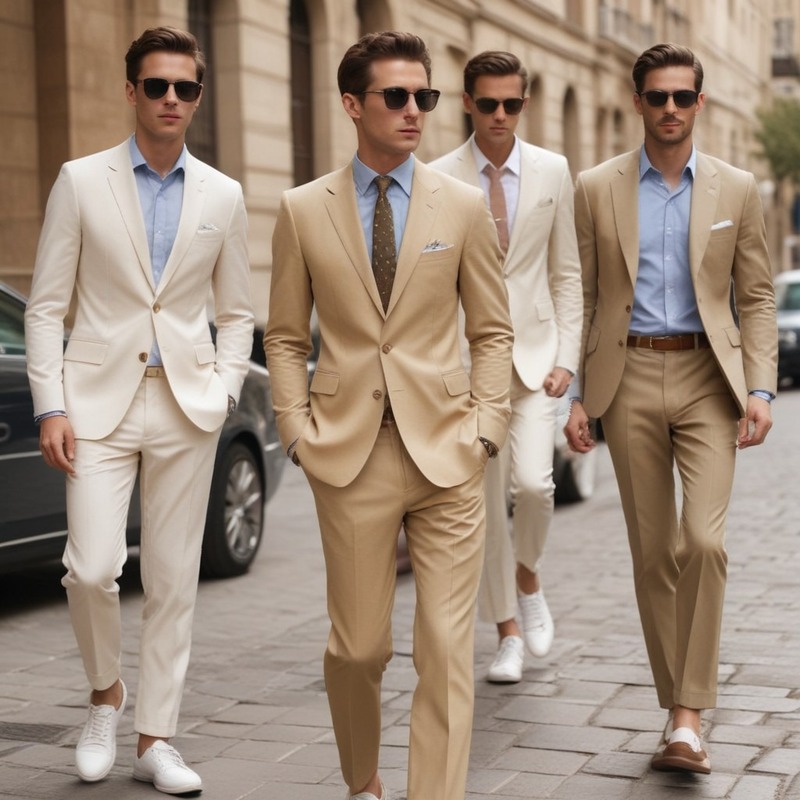
When selecting a suit, fabric material plays a crucial role. Natural fabrics like wool, cotton, and linen typically offer breathability and comfort. Wool, in particular, is a popular choice for many suits. It is versatile and adapts well to various temperatures. Consequently, wool suits can transition from summer weddings to winter business meetings.
Synthetic fabrics, such as polyester, can be more affordable. While they may appear stylish, they often lack breathability. Therefore, wearing a synthetic suit for extended periods can lead to discomfort. Ultimately, the fabric choice should align with the intended use and personal comfort.
The Importance of Fabric Weight
Fabric weight is another critical consideration. Heavier fabrics provide warmth, making them suitable for colder climates. Lighter fabrics, conversely, are ideal for summer events or warmer regions. Understanding fabric weight helps make informed decisions about timing and versatility.
Moreover, consider the texture of the fabric. Some suits feature smooth finishes, while others may have a more textured appearance. These details can impact style and comfort. As a result, paying attention to fabric characteristics can enhance the overall suit-wearing experience.
Style and Occasions
Formal vs. Casual Suits
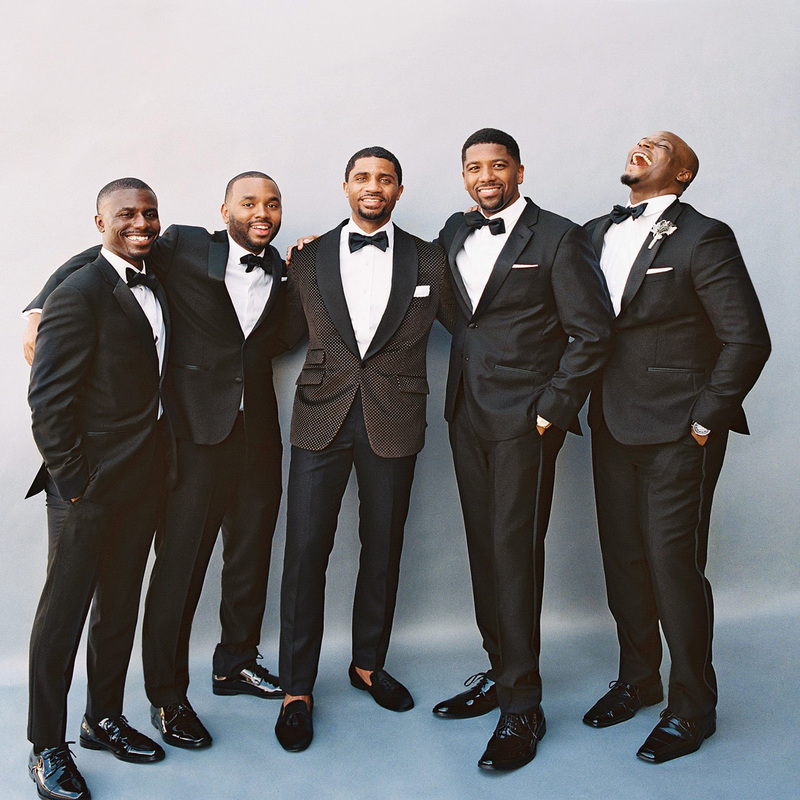
Suits can be categorized based on the formality of the occasion. Formal suits, like tuxedos, are reserved for black-tie events. They usually feature satin lapels and require specific accessories. Casual suits, however, offer more flexibility in styles and colors. They are perfect for less formal gatherings or office settings.
Understanding the event’s dress code will guide your choices. A business suit may require more conservative colors like navy or charcoal. Casual events could allow for lighter hues, patterns, and textures. This way, you can adapt your suit choices based on the occasion.
Accessorizing Your Suit
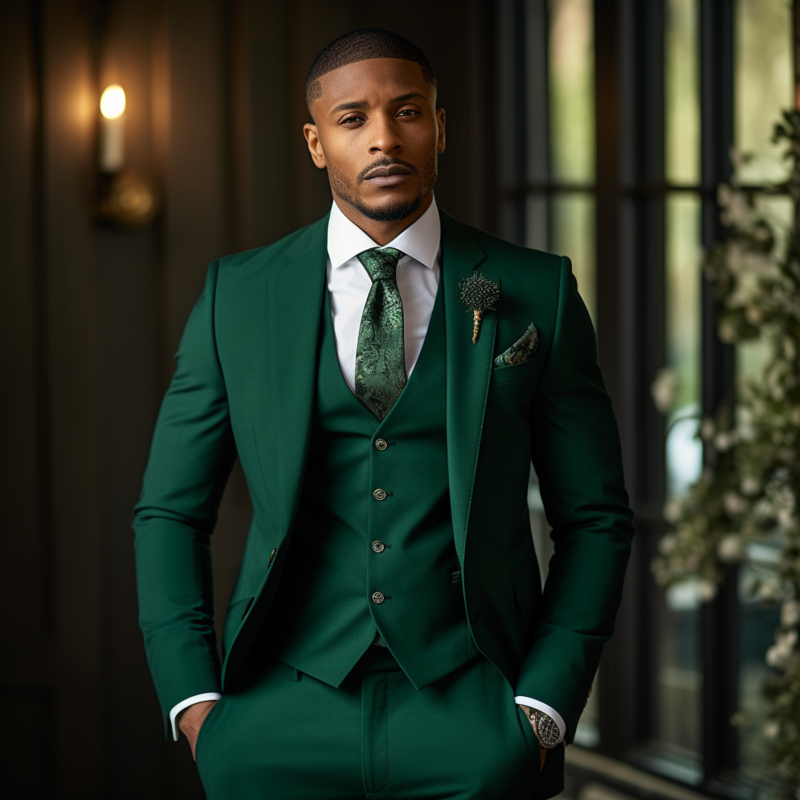
Properly accessorizing your suit can elevate its overall appearance. Ties, pocket squares, and cufflinks add personal flair. However, balance is crucial; bold accessories should not overwhelm the suit. For example, a patterned tie can pair well with a solid-colored suit. Conversely, a brightly colored pocket square can add a pop of color.
Choosing the right shoes further amplifies the look. Leather shoes, such as oxfords or brogues, create a polished appearance. Meanwhile, suede shoes can offer a more relaxed vibe. Ultimately, thoughtful accessorizing can enhance the overall presentation of your suit.
Maintenance and Care
Cleaning and Storage
Proper maintenance ensures your suit lasts for many years. Regular cleaning is essential to keep the fabric fresh and neat. However, frequent washing can cause wear, so dry cleaning is preferable. Aim to clean your suit only when it shows visible signs of dirt or stain. This way, you maintain fabric integrity and color.
Storing your suit correctly is equally important. Always use a breathable garment bag to protect it from dust and moisture. Additionally, investing in quality hangers prevents stretching. Consequently, your suit remains in pristine condition for every occasion.
Handling Minor Repairs
Over time, minor wear and tear may occur. Learning basic sewing skills can help manage simple repairs. Small holes or loose buttons can be fixed at home. However, more complex issues should be addressed by professional tailors. Ignoring problems can lead to further damage. Thus, it’s essential to take action as soon as issues arise.
Regularly inspecting your suit for signs of wear will prolong its life. Addressing concerns immediately helps maintain a polished appearance. Ultimately, taking care of your suit ensures it remains a reliable wardrobe staple.
Conclusion: The Lasting Impact of Men’s Suits
In summary, men’s suits represent more than just clothing. They embody tradition, craftsmanship, and personal identity. By understanding the various aspects, including fit, fabrics, and styling, men can navigate the world of suits. Each suit tells a story; thus, selecting an appropriate suit enhances confidence.
Wearing a well-fitted suit fosters a sense of authority and command. Whether for formal or casual occasions, the right suit will always make a lasting impression. Moreover, maintaining and caring for your suit reflects a commitment to quality and style.
Ultimately, every man should invest time and effort into selecting an ideal suit. By embracing the timeless appeal of men’s suits, you can celebrate individuality and elegance. The journey of finding the perfect suit begins with understanding its nuances, leading to a confident and stylish existence.




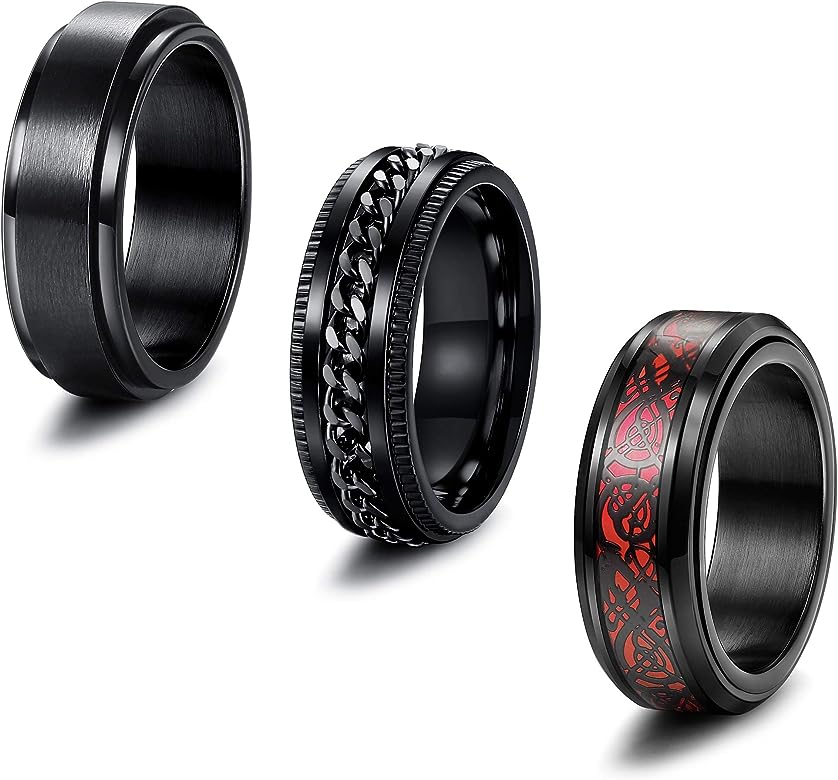 Men’s rings can be a great addition to your attire, but it is important to keep them clean and well-maintained for optimal appearance. A little bit of care and attention can help your rings look their best for years to come. Here are some tips to help you keep your man rings in top condition.
 When it comes to men’s accessories, rings have always held a special place. Rings can be a powerful symbol of style, status, and individuality. They can enhance a man’s overall appearance and add a touch of elegance to any outfit. One important aspect to consider when choosing a man’s ring is its weight. The weight of a ring can greatly impact its comfort, durability, and overall aesthetic appeal. In this article, we will explore the importance of selecting man rings with proper weight and how it can enhance the overall wearing experience.
 Rings have been an essential accessory for both men and women for centuries. Rings can be worn for various reasons, whether it’s to signify a commitment, showcase one’s personal style, or just to add a touch of elegance to an outfit. For men, rings can be a powerful statement piece that can enhance their overall appearance. However, the width and thickness of a
  Rings have long been a symbol of power, status, and style. While traditionally associated with women’s fashion, men have also embraced the trend of wearing rings to enhance their personal style and make a bold statement. In recent years, there has been a growing demand for men’s rings with masculine and rugged designs. These rings exude strength, individuality, and a sense of adventure. In this article, we will explore the significance of masculine and rugged rings for men, their history, and how they can be incorporated into modern-day men’s fashion.
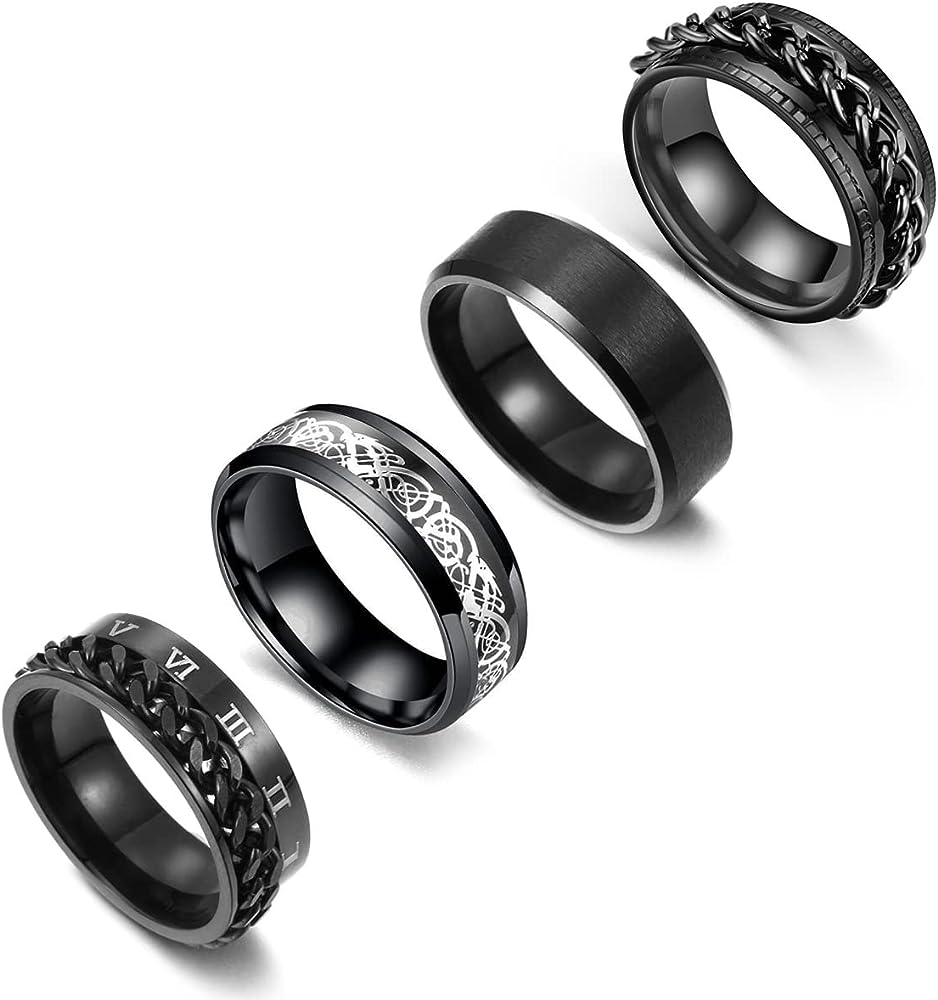 Rings have always been a symbol of class and elegance. Men have been wearing rings since ancient times to showcase their power and status. Today, rings are still seen as an essential accessory for men, and they come in different forms and styles. A popular trend in men’s rings today is the use of birthstones or birthdate engravings. Birthstones are gemstones associated with a person’s birth month, and they are believed to have mystical properties. Engravings, on the other hand, are inscriptions on the ring that can represent a person’s birthdate, initials, or any other significant detail.
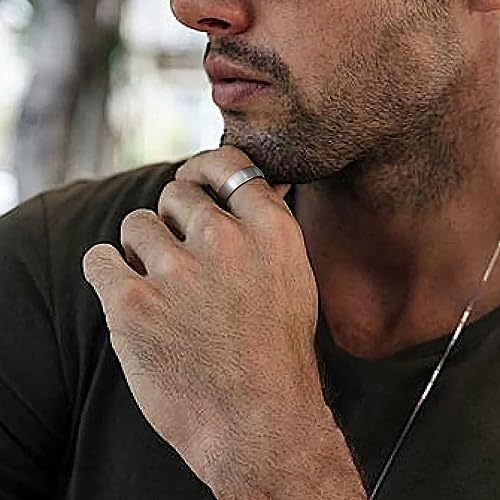 In recent years, there has been a growing trend towards modern and minimalist design in men’s fashion, including in jewelry. Man rings with modern or minimalist designs offer a sleek and understated look, often featuring clean lines, simplicity, and a focus on materials. These rings are perfect for men who prefer a more subtle yet stylish approach to accessorizing.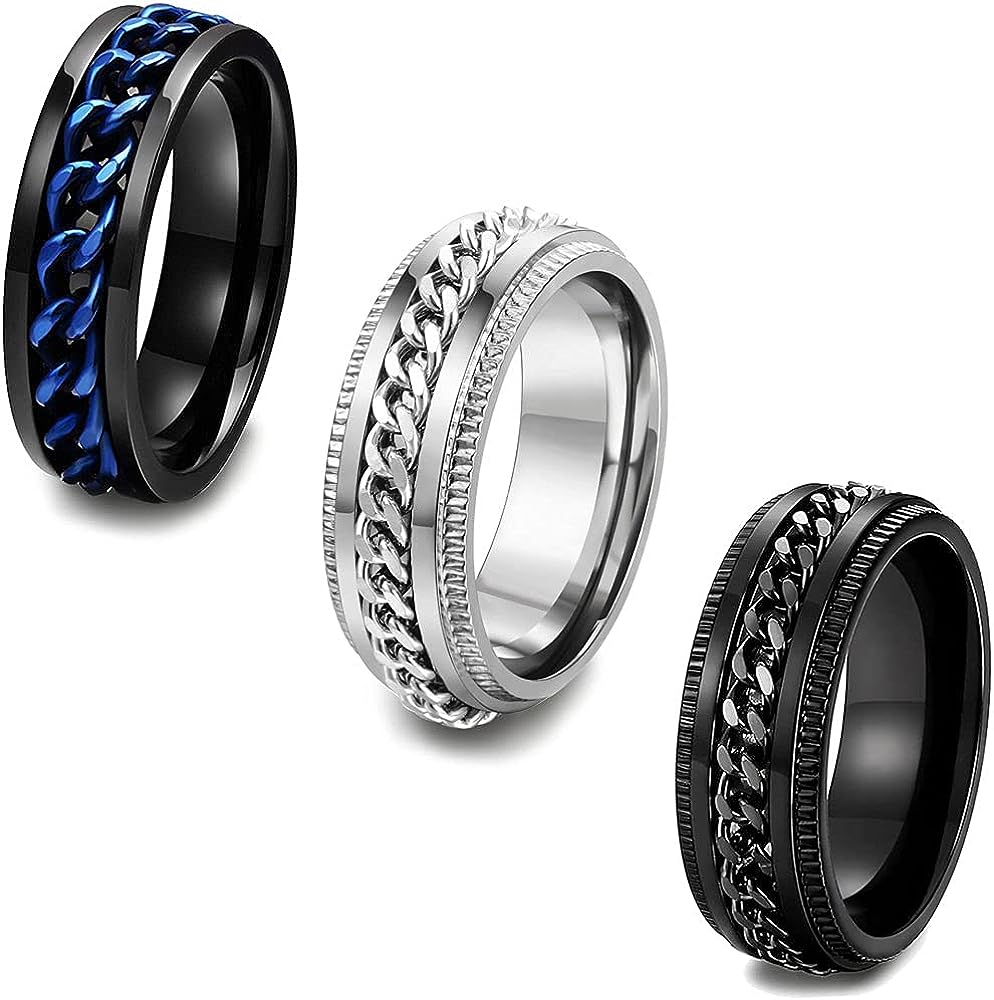
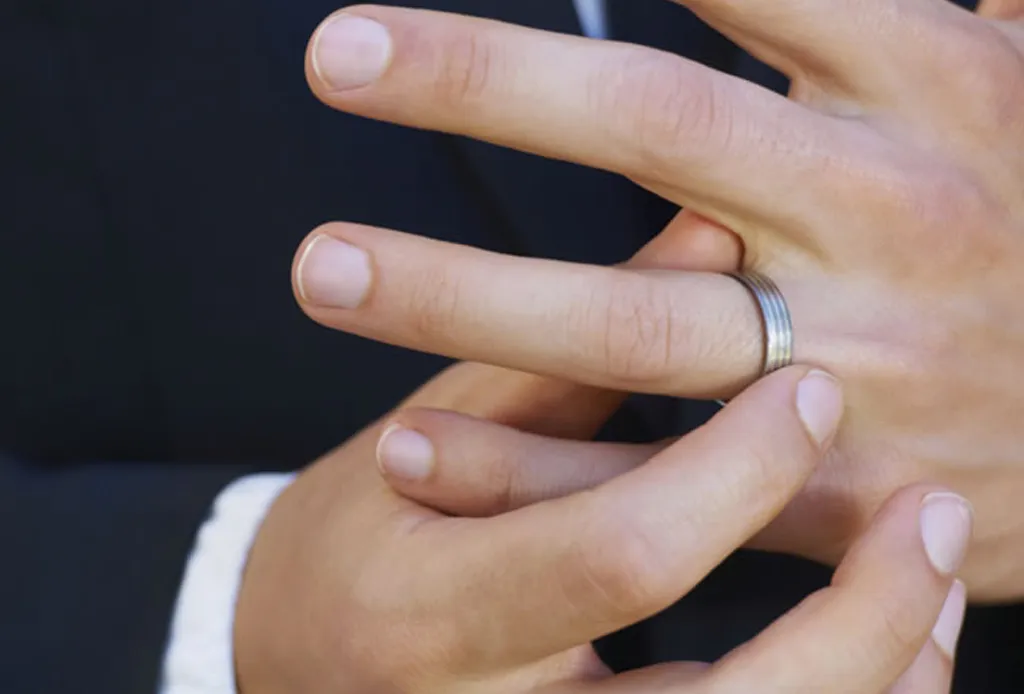 Rings have been used as a symbolic accessory for centuries, representing everything from marriage to social status. However, when it comes to rings with religious or cultural symbols for men, these pieces of jewelry hold a significant and deeper meaning.