Posted on Leave a comment

The production process of a women’s windbreaker in detail

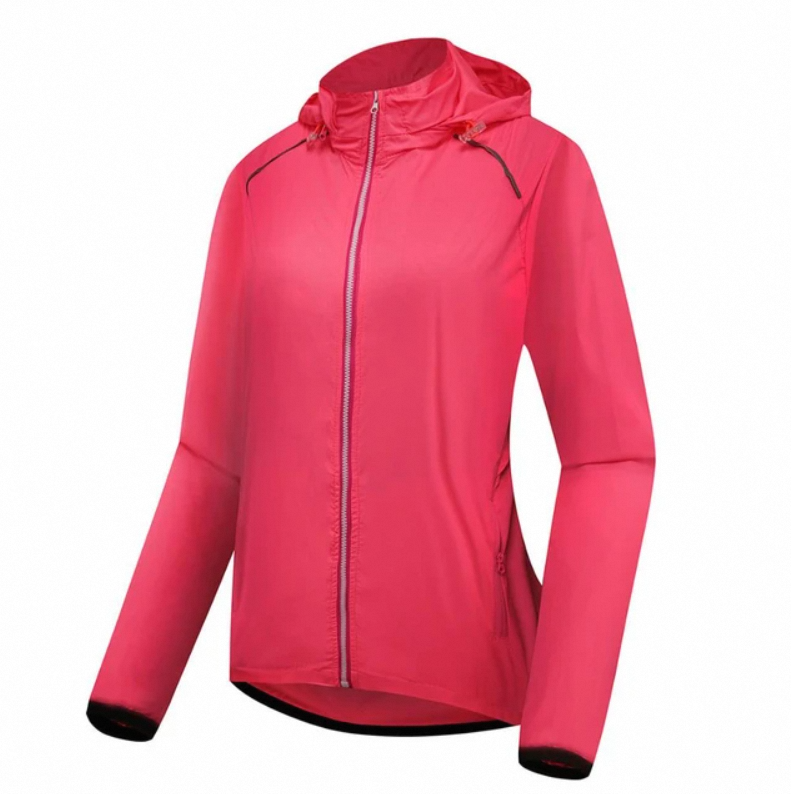
The women’s windbreaker is a versatile and practical garment that has undergone significant evolution over the years. Today, women’s windbreakers are not only functional but also fashionable. The production process of a women’s windbreaker involves several steps, including selecting materials, cutting and sewing the fabric, and adding finishing touches such as zippers and pockets. In this article, we will explore the production process of a women’s windbreaker in detail.
Materials Selection
The first step in making a women’s windbreaker is selecting the materials. The fabric used for a windbreaker should be lightweight, breathable, and wind-resistant. Common materials used for windbreakers include nylon, polyester, and Gore-Tex. These materials are durable, flexible, and water-resistant, making them ideal for use in outdoor activities.
The selection of materials is crucial to the final product’s quality and functionality. Some of the factors that should be considered when selecting materials include durability, breathability, and water resistance. The material should also be flexible, allowing the wearer to move around comfortably.
In addition to the main fabric, other materials such as lining, insulation, and trim may also be used in the production of a windbreaker. The lining is often made from a soft and comfortable material such as cotton or fleece, while insulation is used to provide additional warmth. Trim such as zippers, elastic, and buttons are also used to add functionality and style to the windbreaker.
Cutting and Sewing
Once the materials have been selected, the next step is to cut and sew the fabric. The fabric is first laid out on a cutting table and marked with a pattern. The pattern is then cut out using a rotary cutter or scissors. The cut pieces are then sorted and organized into their respective sections such as the front, back, sleeves, and hood.
The process of cutting and sewing the fabric is crucial to the final product’s quality. The pieces should be cut to the correct size and shape to ensure a perfect fit. The fabric pieces are then sewn together using a sewing machine. The seams are usually reinforced with a double-stitch or serger to ensure that they are strong and durable.
The sleeves and hood are often attached separately, while the zippers and pockets are added later in the production process. The sleeves and hood should be attached correctly to ensure that they fit correctly and provide the necessary protection from the wind.
Adding Finishing Touches
The final step in making a women’s windbreaker is adding finishing touches such as zippers, pockets, and trim. Zippers are often used to close the front of the windbreaker, while pockets are added for storage of personal items such as phones and wallets. Trim such as elastic and buttons are used to add functionality and style to the windbreaker.
The finishing touches should be added carefully to ensure that they are functional and add value to the windbreaker’s style. The zippers should be of high quality and easy to use, while the pockets should be of the correct size and placed correctly. The trim should be well-made and complement the style of the windbreaker.
Quality Control
Before the windbreaker is ready for sale, it undergoes several quality control checks to ensure that it meets the required standards. These checks include examining the stitching, zippers, and pockets to ensure that they are strong and secure. The windbreaker is also checked for sizing and fit to ensure that it meets the requirements of the intended market.
Quality control is essential to ensure that the windbreaker is of high quality and meets the required standards. The windbreaker should be checked for defects, such as loose threads, incorrect sizing, and faulty zippers. The windbreaker should also be tested for durability, breathability, and water resistance.
In addition, some windbreakers may undergo additional tests such as water resistance and breathability testing. These tests ensure that the windbreaker provides the necessary protection from the elements while still allowing the wearer to remain comfortable and dry.
Conclusion
The production process of a women’s windbreaker involves several steps, including material selection, cutting and sewing, adding finishing touches, and quality control. The selection of materials, cutting, and sewing, and adding finishing touches should be done carefully to ensure that the windbreaker is both functional and fashionable. Quality control is crucial to ensure that the windbreaker meets the required standards. With modern production techniques and high-quality materials, women’s windbreakers can now be customized to meet the needs of a wide range of activities and styles, making them an essential part of any wardrobe.
Posted on Leave a comment

The development and evolution of the women’s windbreaker

The women’s windbreaker has a long and fascinating history, evolving from a practical garment for outdoor activities to a fashionable and versatile piece of clothing. In this article, we will explore the development and evolution of the women’s windbreaker over time.

Early Windbreakers

The first windbreakers were designed in the early 1900s for use by aviators and sailors who needed a lightweight, wind-resistant outer layer. These early windbreakers were made from wool and featured a button-up front and a high collar to protect the neck and chin from the wind. They were also designed with large pockets for storing maps, compasses, and other navigational tools.
In the mid-20th century, as outdoor activities such as hiking and camping became more popular, windbreakers became more widely available to the general public. These early windbreakers were typically made from nylon or polyester and featured a zip-up front and a hood for added protection from the elements. They were often brightly colored and patterned to make them more visible in outdoor settings.

The Fashionable Windbreaker

In the 1980s, windbreakers began to make their way into mainstream fashion. Pop icons such as Michael Jackson, Madonna, and Run-DMC made windbreakers a popular fashion accessory, often wearing them in bold colors and patterns. Designers began to experiment with different fabrics, textures, and colors to create more fashionable and stylish windbreakers.
By the 1990s, windbreakers had become a staple of streetwear fashion. They were often worn oversized and paired with baggy pants and sneakers for a relaxed and casual look. The popularity of windbreakers continued into the early 2000s, with brands such as Nike and Adidas creating their own versions of the classic windbreaker.

Modern Windbreakers

Today, the women’s windbreaker has come a long way from its practical origins. It is now available in a wide range of styles, from casual and athletic to more formal and fashionable. High-end brands such as Gucci and Prada have even created their own versions of the windbreaker, featuring unique designs and high-quality materials.
Modern windbreakers use lightweight, breathable fabrics such as polyester, nylon, and Gore-Tex. They are often designed with adjustable hoods, cuffs, and waistbands to provide a comfortable and customizable fit. Many windbreakers also feature pockets for carrying essentials such as phones, wallets, and keys.
Windbreakers have become particularly popular within the athleisure trend. Women’s windbreakers are often worn with leggings or joggers and paired with sneakers for a comfortable and stylish look. They are also a popular choice for outdoor activities such as hiking, running, and cycling, providing protection from the wind and rain without weighing the wearer down.

The Future of Windbreakers

As technology continues to advance, windbreakers are likely to become even more innovative and versatile. Fabrics will become more breathable and moisture-wicking, making them ideal for a wider range of activities. Windbreakers will also likely become more customizable, with features such as detachable sleeves and interchangeable hoods.
In addition, as sustainability becomes a more pressing concern, windbreakers will likely be made from more eco-friendly materials such as recycled polyester and organic cotton. Sustainable production methods, such as using solar or wind power, will also become more common.

Conclusion

The women’s windbreaker has come a long way from its practical origins as a lightweight outer layer for aviators and sailors. Today, it is a versatile and fashionable piece of clothing that can be worn for a wide range of occasions. From its early days as a utilitarian garment to its current status as a staple of modern fashion, the women’s windbreaker continues to evolve and adapt to changing styles and trends. As we move forward into the future, we can expect to see even more innovation and creativity in the design and production of women’s windbreakers.

Posted on Leave a comment

The key style features of women’s windbreakers

The women’s windbreaker is an essential garment that provides protection from the elements while still allowing for comfortable and stylish wear. Over the years, designers have incorporated a range of style features into the windbreaker, creating a diverse range of styles to suit different tastes and preferences. In this article, we will explore the key style features of women’s windbreakers.

Silhouette

The silhouette of a women’s windbreaker is an essential style feature that helps to define the garment’s overall look and feel. The most common silhouette for women’s windbreakers is a relaxed fit with a slightly tapered waist, creating a comfortable and casual look. However, there are also more fitted and tailored styles available, providing a sleeker and more formal look.

Oversized silhouettes, with a loose and relaxed fit, have become increasingly popular in recent years. These oversized styles create a more relaxed and effortless look while still providing functional protection from the elements. This style is perfect for layering over other garments, making it a versatile addition to any wardrobe.

Length

The length of a women’s windbreaker is another important style feature that can impact the garment’s overall look and feel. The most common length for women’s windbreakers is mid-length, falling just below the hips. This length provides adequate coverage while still allowing for ease of movement.

Shorter windbreakers, such as cropped styles, have also become popular in recent years. These shorter styles create a more playful and casual look, perfect for layering over high-waisted pants or shorts. Longer windbreakers, such as parka-style windbreakers, provide more coverage and protection from the elements, making them a popular choice for outdoor activities.

Color and Pattern

The color and pattern of a women’s windbreaker can have a significant impact on its overall style and appeal. Windbreakers are available in a wide range of colors, from classic neutrals such as black and navy to brighter hues such as pink and orange. Pastel colors, such as light blue and pale pink, have also become increasingly popular in recent years.

In addition to solid colors, windbreakers are also available in a wide range of patterns. Classic patterns such as stripes and polka dots are popular, as well as more bold and graphic patterns such as camouflage and animal prints. Floral and tropical patterns are also popular, particularly in the spring and summer months.

Material and Texture

The material and texture of a women’s windbreaker can impact both its function and style. Windbreakers are typically made from lightweight and breathable materials such as polyester or nylon, providing protection from the wind and rain without adding bulk. However, there are also windbreakers available in heavier materials, such as wool or denim, providing a more substantial and textured look.

Texture can also be incorporated through detailing such as quilting or embroidery. Quilted or padded windbreakers provide extra warmth and insulation, while embroidered details add a touch of personality and style.

Details and Accents

Details and accents are the final style feature of women’s windbreakers. These details and accents can range from functional features such as adjustable cuffs and hoods to decorative features such as zippers and buttons. Reflective detailing is also becoming increasingly popular, providing added safety during outdoor activities.

In addition to functional details, windbreakers can also incorporate decorative accents such as ruffles, lace, and embroidery. These accents add a touch of femininity and style to the windbreaker, making it a versatile fashion item that can be dressed up or down.

Conclusion

The women’s windbreaker is a versatile and essential garment that has undergone significant style evolution over the years. Silhouette, length, color and pattern, material and texture, and details and accents are all key style features that impact the garment’s overall look and feel. With these style features, the windbreaker has become a fashionable and functional garment that can be worn for a wide range of activities and occasions.

Posted on Leave a comment

Tips on how to choose the right colors of pants for different seasons.

Choosing the right colors of pants is an essential part of creating a stylish and fashionable outfit. Different seasons require different color palettes, and it’s important to choose colors that complement the season and your personal style. Here are some tips on how to choose the right colors of pants for different seasons.

1.Spring

Spring is a season of renewal and fresh beginnings, and it’s the perfect time to add some vibrant and pastel colors to your wardrobe. Light and soft colors such as pastel pink, blue, yellow, and green are popular choices for pants during the spring season. Floral patterns and prints are also on-trend during this season.

When choosing pants for spring, consider pairing pastel-colored pants with a neutral top to balance the outfit. Alternatively, you can try mixing different pastel colors for a playful and fun look. Light-colored denim and khaki pants are also versatile options for the spring season.

2.Summer

Summer is a season of warmth and sunshine, and it’s the perfect time to bring out your bold and bright colors. Vibrant colors such as bright orange, pink, red, and blue are popular choices for summer pants. White pants are also a classic option for the summer season.

When choosing pants for summer, consider pairing bold-colored pants with a neutral top to balance the outfit. Alternatively, you can try mixing different bright colors for a playful and fun look. Light and breathable fabrics such as linen and cotton are also popular choices for summer pants.

3.Fall

Fall is a season of warm colors and cozy textures, and it’s the perfect time to embrace earthy and rich colors. Warm and earthy colors such as brown, burgundy, olive green, and navy blue are popular choices for pants during the fall season. Plaid patterns and prints are also on-trend during this season.

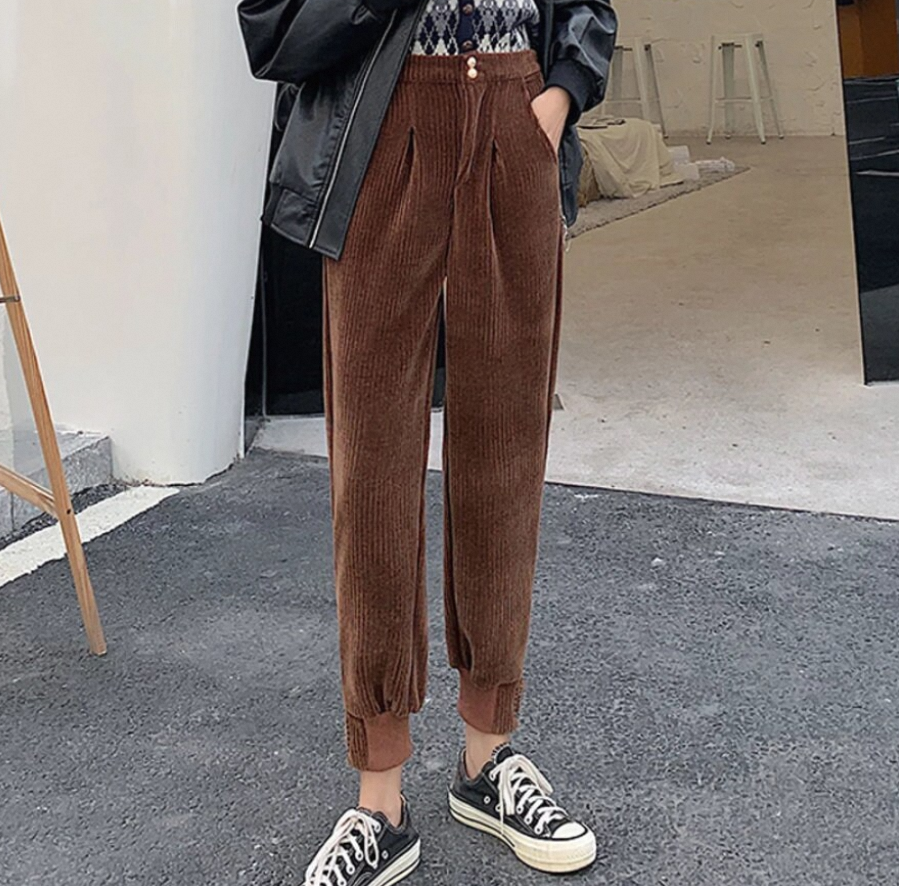
When choosing pants for fall, consider pairing warm-colored pants with a neutral top to balance the outfit. Alternatively, you can try mixing different warm colors for a cozy and comfortable look. Corduroy and wool pants are also popular choices for fall.

4.Winter

Winter is a season of cool colors and cozy textures, and it’s the perfect time to embrace dark and rich colors. Cool and dark colors such as black, charcoal gray, navy blue, and burgundy are popular choices for pants during the winter season. Metallic fabrics and prints are also on-trend during this season.

When choosing pants for winter, consider pairing dark-colored pants with a neutral top to balance the outfit. Alternatively, you can try mixing different dark colors for a sophisticated and sleek look. Thick and warm fabrics such as wool and cashmere are popular choices for winter pants.

5.Year-Round Classics

Certain colors are considered year-round classics and can be worn in any season. These colors include black, white, gray, and beige. These neutral colors are versatile and can be paired with a variety of tops and accessories to create different looks.

When choosing pants in year-round classic colors, consider pairing them with a colorful top or accessory to add some pop to the outfit. Alternatively, you can create a monochromatic look by pairing different shades of the same color together. Denim and khaki pants in classic colors such as black and navy blue are also versatile options that can be worn in any season.

In conclusion, choosing the right colors of pants for different seasons requires consideration of both seasonal trends and personal style. Pastel and soft colors are popular choices for spring, while bold and bright colors are on-trend during the summer season. Warm and earthy colors are popular choices for fall, while cool and dark colors are on-trend during the winter season. Year-round classics such as black, white, gray, and beige can be worn in any season and are versatile choices. With the right colors, you can create fashionable and functional outfits for any season.

Posted on Leave a comment

How to choose the right colors of pants for different seasons?

Choosing the right colors of pants is an essential part of creating a stylish and fashionable outfit. Different seasons require different color palettes, and it’s important to choose colors that complement the season and your personal style. Here are some tips on how to choose the right colors of pants for different seasons.

1.Spring

Spring is a season of renewal and fresh beginnings, and it’s the perfect time to add some vibrant and pastel colors to your wardrobe. Light and soft colors such as pastel pink, blue, yellow, and green are popular choices for pants during the spring season. Floral patterns and prints are also on-trend during this season.

When choosing pants for spring, consider pairing pastel-colored pants with a neutral top to balance the outfit. Alternatively, you can try mixing different pastel colors for a playful and fun look. Light-colored denim and khaki pants are also versatile options for the spring season.

2.Summer

Summer is a season of warmth and sunshine, and it’s the perfect time to bring out your bold and bright colors. Vibrant colors such as bright orange, pink, red, and blue are popular choices for summer pants. White pants are also a classic option for the summer season.

When choosing pants for summer, consider pairing bold-colored pants with a neutral top to balance the outfit. Alternatively, you can try mixing different bright colors for a playful and fun look. Light and breathable fabrics such as linen and cotton are also popular choices for summer pants.

3.Fall

Fall is a season of warm colors and cozy textures, and it’s the perfect time to embrace earthy and rich colors. Warm and earthy colors such as brown, burgundy, olive green, and navy blue are popular choices for pants during the fall season. Plaid patterns and prints are also on-trend during this season.

When choosing pants for fall, consider pairing warm-colored pants with a neutral top to balance the outfit. Alternatively, you can try mixing different warm colors for a cozy and comfortable look. Corduroy and wool pants are also popular choices for fall.

4.Winter

Winter is a season of cool colors and cozy textures, and it’s the perfect time to embrace dark and rich colors. Cool and dark colors such as black, charcoal gray, navy blue, and burgundy are popular choices for pants during the winter season. Metallic fabrics and prints are also on-trend during this season.

When choosing pants for winter, consider pairing dark-colored pants with a neutral top to balance the outfit. Alternatively, you can try mixing different dark colors for a sophisticated and sleek look. Thick and warm fabrics such as wool and cashmere are popular choices for winter pants.

5.Year-Round Classics

Certain colors are considered year-round classics and can be worn in any season. These colors include black, white, gray, and beige. These neutral colors are versatile and can be paired with a variety of tops and accessories to create different looks.

When choosing pants in year-round classic colors, consider pairing them with a colorful top or accessory to add some pop to the outfit. Alternatively, you can create a monochromatic look by pairing different shades of the same color together. Denim and khaki pants in classic colors such as black and navy blue are also versatile options that can be worn in any season.

In conclusion, choosing the right colors of pants for different seasons requires consideration of both seasonal trends and personal style. Pastel and soft colors are popular choices for spring, while bold and bright colors are on-trend during the summer season. Warm and earthy colors are popular choices for fall, while cool and dark colors are on-trend during the winter season. Year-round classics such as black, white, gray, and beige can be worn in any season and are versatile choices. With the right colors, you can create fashionable and functional outfits for any season.

Posted on Leave a comment

Tips on how to choose the right pants for a formal occasion.

Choosing the right pants for a formal occasion can be a challenge. You want to look stylish and sophisticated while still feeling comfortable. Here are some tips on how to choose the right pants for a formal occasion.

1.Fabric

The fabric of your pants is one of the most important factors for a formal occasion. You’ll want to choose a fabric that is lightweight and breathable, and that drapes well. Wool, silk, and linen are all popular choices for formal pants.

When choosing trousers for a formal occasion, consider the season and the dress code. Lightweight fabrics like linen and cotton are great for summer events, while wool and cashmere are better for winter events. Avoid synthetic fabrics like polyester, as they can look cheap and feel uncomfortable.

2.Fit

The fit of your pants is also important for a formal occasion. You’ll want pants that fit well and flatter your body type. Avoid pants that are too tight or too loose, as they can be uncomfortable and unflattering.

When choosing trousers for a formal occasion, consider the fit and style. Look for them with a tailored fit and a straight leg. Avoid pants with a wide leg or a pleated front, as they can look too casual and outdated.

3.Color

The color of your pants is also important for a formal occasion. You’ll want to choose a color that complements your outfit and the occasion. Classic colors like black, navy, and gray are always a safe choice for formal events.

When choosing trousers for a formal occasion, consider the color of your suit or blazer. Choose pants that match or complement the color of your jacket. If you’re wearing a black suit, choose black trousers. If you’re wearing a navy blazer, choose navy pants.

4.Details

The details of your pants can also make a difference for a formal occasion. Look for trousers with minimal details and clean lines. Avoid pants with cargo pockets or embellishments, as they can look too casual for a formal event.

When choosing trousers for a formal occasion, consider the details of your outfit. Look for pants with a clean waistband and minimal pockets. Avoid trousers with cuffs, as they can look too casual for a formal event.

5.Shoes

The shoes you wear with your pants can also affect your overall look for a formal occasion. Choose shoes that are polished and formal, such as dress shoes or loafers. Avoid sneakers or casual shoes, as they can look too casual for a formal event.

When choosing pants for a formal occasion, consider the shoes you will be wearing. Choose trousers that are the appropriate length for your shoes, and that fit well around the ankle. Avoid pants that are too long and bunch up around your shoes.

In conclusion, choosing the right pants for a formal occasion requires consideration of both style and comfort. Lightweight and breathable fabrics like wool and linen are great choices for formal pants. Look for trousers with a tailored fit and a straight leg, and choose colors that complement your outfit and the occasion. Avoid pants with too many details or cargo pockets, and pair with formal shoes for a polished look. With the right pants, you can feel confident and sophisticated at your next formal event.

Posted on Leave a comment

Tips on how to choose the right pants for outdoor sports.

Choosing the right pants for outdoor sports is essential for both comfort and performance. Different types of pants are designed for different activities, and it’s important to choose pants that are appropriate for your sport. Here are some tips on how to choose the right pants for outdoor sports.

1.Fabric

The fabric of your pants is one of the most important factors for outdoor sports. You’ll want to choose a fabric that is durable, breathable, and moisture-wicking. Nylon, polyester, and spandex are all popular choices for outdoor sports pants.

When choosing trousers for outdoor sports, consider the activity you’ll be doing. Choose lightweight and breathable fabrics for activities like running, hiking, and climbing, while heavier fabrics like Gore-Tex or fleece are better for cold weather sports like skiing and snowboarding.

2.Fit

The fit of your pants is also important for outdoor sports. You’ll want trousers that are comfortable and allow for a full range of motion. Tight-fitting trousers like leggings or compression pants are great for activities like running, while looser-fitting pants like cargo pants or joggers are better for hiking and climbing.

When choosing pants for outdoor sports, consider the fit and style. Look for pants with an elastic waistband or drawstring closure for a comfortable and secure fit. Avoid trousers that are too tight or too loose, as they can be uncomfortable and affect your performance.

3.Pockets

Pockets are also an important factor to consider when choosing trousers for outdoor sports. You’ll want pants with enough pockets to carry your essentials, like your phone, wallet, or keys. Look for trousers with zippered pockets for added security.

When choosing pants for outdoor sports, consider the number and size of pockets. Cargo trousers or joggers are great options for hiking and climbing, as they typically have multiple pockets for storage. Running pants or leggings may not have as many pockets, but they often have a hidden pocket for storing small items like a key or credit card.

4.UV Protection

If you’ll be spending a lot of time outdoors, UV protection is a must. Look for trousers with built-in sun protection, like UPF fabric. This will help protect your skin from harmful UV rays and prevent sunburn.

When choosing trousers for outdoor sports, consider the level of sun exposure. Activities like hiking, climbing, and fishing often involve long periods of time in direct sunlight, so sun protection is essential. Look for trousers with UPF fabric or wear a pair of lightweight pants under shorts to protect your legs.

5.Weather Resistance

If you’ll be participating in outdoor sports in inclement weather, weather resistance is important. Look for pants with water-resistant or waterproof fabric. This will help keep you dry and comfortable during your activity.

When choosing trousers for outdoor sports, consider the weather conditions. Look for pants with weather-resistant fabric for activities like hiking, camping, and snowboarding. Avoid trousers made of cotton, as they can absorb water and become heavy and uncomfortable in wet conditions.

In conclusion, choosing the right pants for outdoor sports requires consideration of both function and comfort. Durable and breathable fabrics like nylon and polyester are great choices for outdoor sports trousers. Look for pants with a comfortable fit, secure pockets, and built-in UV protection. For inclement weather, choose pants with weather-resistant fabric to stay dry and comfortable. With the right trousers, you can perform your best and enjoy your outdoor activities to the fullest.

Posted on Leave a comment

Tips on how to choose the right pants for a day of shopping.

Choosing the right pants for a day of shopping can be a challenge. You want to be comfortable, but you also want to look stylish. Here are some tips on how to choose the right pants for a day of shopping.

1.Comfort

Comfort is key when it comes to choosing pants for a day of shopping. You’ll be on your feet for hours, so it’s important to choose pants that are comfortable and easy to move in. Soft, stretchy fabrics such as cotton, jersey, and spandex are great choices for shopping trousers.

When choosing pants for shopping, consider the fit and style. Loose-fitting pants such as joggers, harem pants, and wide-leg pants are comfortable and easy to move in. Leggings and yoga trousers are also comfortable and provide plenty of stretch for long days of shopping.

2.Style

While comfort is important, you also want to look stylish and put-together. Casual, yet trendy styles such as boyfriend jeans, ripped jeans, and high-waisted jeans are great choices for shopping pants. Comfortable, yet stylish pants such as cargo trousers, culottes, and palazzo pants are also on-trend for a day of shopping.

When choosing trousers for shopping, consider the style of the outfit. Pair comfortable pants with a cute top and trendy accessories to create a stylish and fashionable look. Avoid wearing sweatpants or pajama pants, as they can look too casual and sloppy for a day of shopping.

3.Weather

The weather can also play a role in choosing the right trousers for a day of shopping. In hot weather, choose lightweight and breathable fabrics such as cotton, linen, and rayon. In cold weather, choose warm and insulating fabrics such as wool, corduroy, and flannel.

When choosing pants for shopping, consider the weather conditions. Pair lightweight pants with a breezy top for hot weather, and layer thick and warm trousers with a cozy sweater for cold weather. Avoid wearing shorts or skirts in cold weather, as they can leave you feeling chilly and uncomfortable.

4.Shoes

The right shoes can make all the difference when it comes to choosing trousers for shopping. Comfortable and supportive shoes such as sneakers, loafers, and ankle boots are great choices for a day of shopping. If you prefer to wear sandals or flats, choose styles with arch support and a cushioned sole for maximum comfort.

When choosing pants for shopping, consider the shoes you will be wearing. Avoid wearing pants that are too long, as they can get caught under your shoes and cause tripping. Choose trousers that are the right length and fit well with the shoes you plan to wear.

5.Accessories

Accessories can add a finishing touch to your shopping outfit. A statement necklace, scarf or hat can elevate a casual outfit and make it more fashionable. A crossbody or tote bag can be both stylish and functional, allowing you to carry your essentials while you shop.

When choosing pants for shopping, consider the accessories you will be wearing. Choose pants that complement your accessories, and vice versa. Avoid wearing trousers with bulky pockets or zippers, as they can be uncomfortable and make it difficult to carry a bag.

6.Personal Style

Your personal style should also be taken into consideration when choosing pants for shopping. If you prefer a more classic and polished look, choose trousers in neutral colors such as black, gray, and navy. If you prefer a more bohemian or casual look, choose pants with prints and patterns such as floral, stripes, or polka dots.

When choosing pants for shopping, consider your personal style and what makes you feel confident and comfortable. Choose trousers that reflect your personal style and pair them with accessories that complement your style.

In conclusion, choosing the right pants for a day of shopping requires consideration of both comfort and style. Soft and stretchy fabrics such as cotton, jersey, and spandex are great choices for comfort. Trendy and casual styles such as boyfriend jeans and cargo trousers are on-trend for style. Consider the weather conditions, shoes, and accessories when choosing pants for shopping. With the right pants and accessories, you can create a fashionable and comfortable outfit for a day of shopping.

Posted on Leave a comment

How to choose the right pants for different weather conditions?

Choosing the right pants for different weather conditions is important for both comfort and style. Different types of pants are designed for different weather conditions, and it’s important to choose trousers that are appropriate for the weather. Here are some tips on how to choose the right pants for different weather conditions.

1.Hot Weather

In hot weather, it’s important to choose pants that are made of lightweight and breathable fabrics. Cotton, linen, and rayon are all popular choices for hot weather trousers. Shorts, capris, and lightweight trousers are all good options for hot weather.

When choosing pants for hot weather, consider the length of the pants. Shorts and capris are great choices for hot weather, as they allow for maximum air flow. Lightweight trousers made of breathable fabrics are also a good choice for hot weather. Avoid heavy fabrics such as denim or wool, as they can be too hot and uncomfortable in hot weather.

2.Cold Weather

In cold weather, it’s important to choose pants that are made of warm and insulating fabrics. Wool, flannel, and corduroy are all popular choices for cold weather trousers. Jeans and khakis can also be worn in cold weather, as long as they are lined or made of a thicker fabric.

When choosing pants for cold weather, consider the thickness and warmth of the fabric. Thick and insulating fabrics such as wool and flannel are great choices for cold weather trousers. Corduroy and jeans can also be worn in cold weather if they are lined or made of a thicker fabric. Avoid lightweight fabrics such as cotton or linen, as they do not provide enough insulation in cold weather.

3.Rainy Weather

In rainy weather, it’s important to choose pants that are water-resistant or waterproof. Nylon, polyester, and Gore-Tex are all popular choices for rain pants. Rain pants should be lightweight and breathable, to prevent overheating and discomfort.

When choosing pants for rainy weather, consider the waterproof and water-resistant properties of the fabric. Nylon, polyester, and Gore-Tex are popular choices for rain trousers, as they are water-resistant and lightweight. Look for pants with sealed seams and a waterproof coating to ensure maximum protection from the rain.

4.Windy Weather

In windy weather, it’s important to choose trousers that are made of wind-resistant fabrics. Gore-Tex and other wind-resistant fabrics are popular choices for windy weather pants. Pants should be lightweight and breathable, to prevent overheating and discomfort.

When choosing pants for windy weather, consider the wind-resistant properties of the fabric. Gore-Tex and other wind-resistant fabrics are popular choices for windy weather pants, as they provide maximum protection from the wind. Look for pants with sealed seams and a windproof coating to ensure maximum protection from the wind.

5.Humid Weather

In humid weather, it’s important to choose pants that are made of lightweight and breathable fabrics. Cotton, linen, and rayon are all popular choices for humid weather trousers. Shorts and lightweight pants are great options for humid weather, as they allow for maximum air flow.

When choosing trousers for humid weather, consider the breathability of the fabric. Lightweight and breathable fabrics such as cotton, linen, and rayon are great choices for humid weather pants. Shorts and lightweight pants are also good options for humid weather, as they allow for maximum air flow. Avoid heavy fabrics such as wool or flannel, as they can be too hot and uncomfortable in humid weather.

In conclusion, choosing the right pants for different weather conditions requires consideration of both style and functionality. Lightweight and breathable fabrics are great choices for hot and humid weather, while warm and insulating fabrics are best for cold weather. Water-resistant and wind-resistant fabrics are important for rainy and windy weather, respectively. With the right trousers, you can stay comfortable and stylish in any weather condition.

Posted on Leave a comment

How to properly clean different types of pants materials?

Keeping your pants clean is essential for maintaining their appearance and longevity. Different materials require different methods of cleaning to ensure that they remain in good condition. Here are some tips on how to properly clean different types of pants materials.

1.Cotton Pants

Cotton pants are a popular choice for everyday wear. They are durable and comfortable, making them a versatile option for different occasions. However, cotton pants can shrink if not washed properly, so it is important to follow the care instructions on the label.

To wash cotton trousers, turn them inside out and wash them in cold water on a gentle cycle. Avoid using fabric softener, as it can damage the fibers. Hang the trousers to dry, or tumble dry them on a low heat setting. Iron the pants while they are still slightly damp to prevent wrinkles.

2.Denim Pants

Denim pants are a classic and durable option for casual wear. They can be tricky to wash, as they can fade and shrink if not cared for properly. It’s best to wash denim trousers inside out to prevent fading and shrinkage.

To wash denim trousers, turn them inside out and wash them in cold water on a gentle cycle. Avoid using fabric softener, bleach, or detergents with enzymes, as they can damage the fibers. Hang the trousers to dry, or tumble dry them on a low heat setting. Avoid ironing denim pants, as it can damage the fibers.

3.Leather Pants

Leather pants are a stylish and durable option for a night out on the town. They require special care to ensure that they maintain their appearance and durability.

To clean leather trousers, use a damp cloth to wipe away any dirt or stains. Avoid using soap or other cleaning agents, as they can damage the leather. Apply a leather conditioner to the pants to keep them soft and supple. Hang the trousers to dry, and avoid exposing them to heat or sunlight.

4.Wool Pants

Wool pants are a warm and comfortable option for colder weather. They require special care to prevent shrinkage and damage to the fibers.

To wash them, turn them inside out and wash them in cold water on a gentle cycle. Avoid using fabric softener or bleach, as it can damage the fibers. Hang the trousers to dry, and avoid exposing them to heat or sunlight. Iron the pants on a low heat setting while they are still slightly damp.

5.Synthetic Fiber Pants

Synthetic fibers such as polyester, nylon, and spandex are popular options for athletic wear and leggings. They are durable and easy to care for, but they require special care to prevent damage to the fibers.

To wash synthetic fiber trousers, wash them in cold water on a gentle cycle. Avoid using bleach or fabric softener, as it can damage the fibers. Hang the trousers to dry, or tumble dry them on a low heat setting. Avoid exposing synthetic fiber pants to heat or sunlight, as it can damage the fibers.

In conclusion, different types of pants require different methods of cleaning to ensure that they remain in good condition. Cotton pants should be washed in cold water on a gentle cycle, denim trousers should be washed inside out, leather pants should be wiped clean with a damp cloth, wool pants should be washed in cold water on a gentle cycle and synthetic fiber pants should be washed in cold water on a gentle cycle. By following these tips, you can keep your trousers looking great for years to come.