
Introduction to Men’s Running Shirts
The Importance of Proper Fit
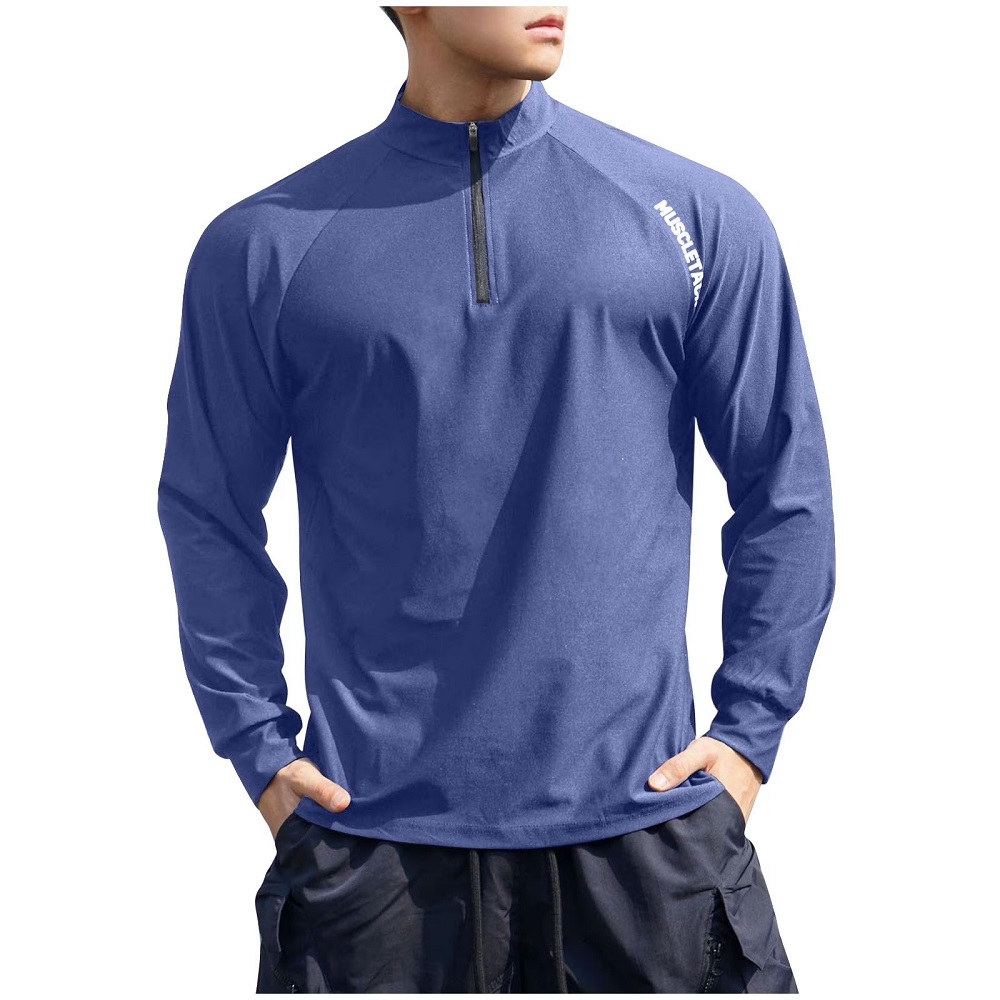
Choosing the right men’s running shirts are essential for every male runner. The fit of a shirt affects comfort, performance, and overall enjoyment during a run. Whether you are jogging casually or training for a marathon, a well-fitted shirt can enhance your experience. A shirt that is too loose may cause chafing, while one that is too tight can restrict movement. Therefore, understanding how to select the appropriate fit is vital for all men who run regularly.
Fabric Considerations
In addition to fit, the fabric of the running shirt plays a crucial role in its performance. Different fabrics offer varying benefits, such as moisture-wicking properties, breathability, and durability. A shirt made from the right material can help regulate body temperature and keep you dry. This is especially important during long runs in hot or humid conditions. Researching the different fabric options before making a purchase will lead to better choices that suit your needs.
Styles and Designs
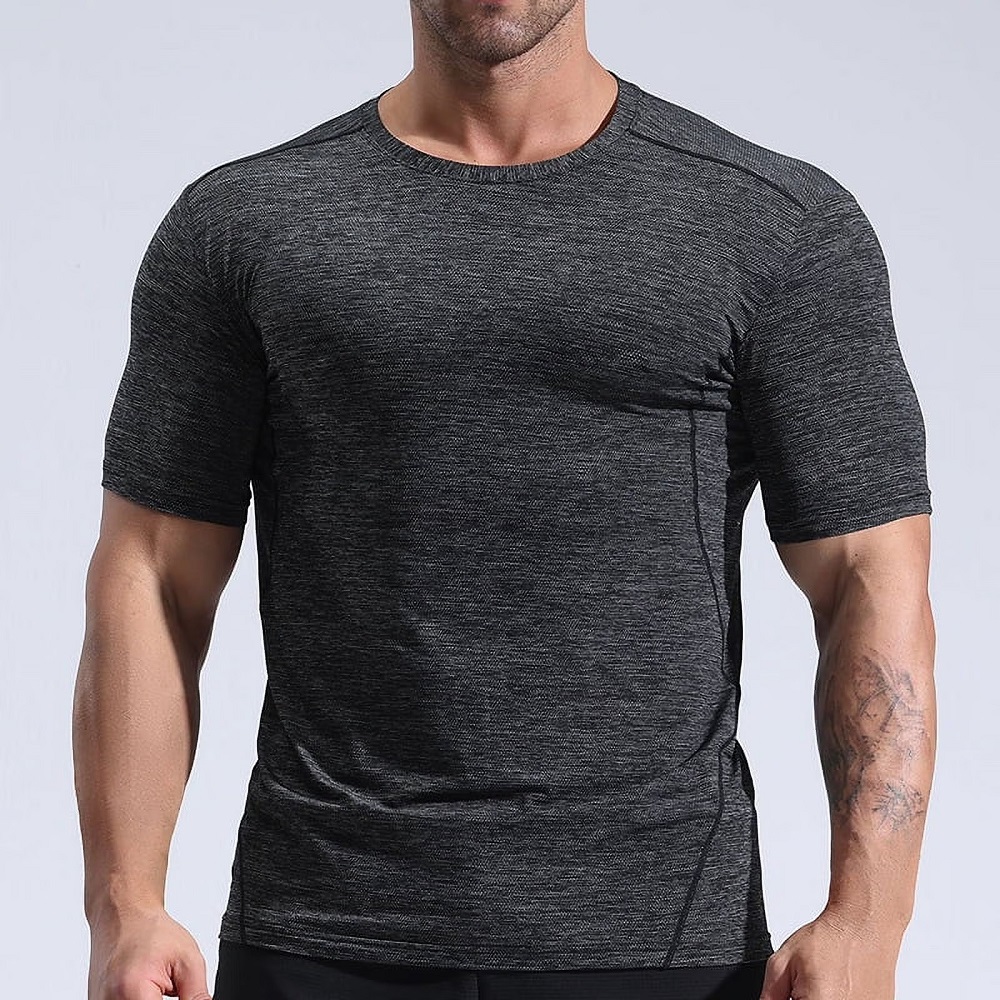
Men’s running shirts come in multiple styles and designs, from short-sleeve to long-sleeve options. Each style has its advantages and disadvantages based on personal preference and weather conditions. Understanding the different types of running shirts available helps men make informed decisions. Knowing how to match style with function will ultimately enhance their running experience.
Understanding Your Body Type
Identifying Your Body Shape
Before choosing a running shirt, it is crucial to understand your body type. Common male body shapes include athletic, slim, and stocky. Each shape may require different considerations when selecting a shirt. For example, a slim individual may prefer a more fitted style, while a stocky runner may benefit from a looser fit. Identifying your body shape is an essential first step in selecting the most comfortable and functional running shirt.
Recognizing Proportions
Proportions also play a vital role in how a shirt fits. Men with longer torsos may need to look for shirts that provide added length, whereas shorter individuals might opt for cropped styles. The sleeve length is equally important; shorter sleeves may work better for some runners, while others might prefer the coverage that long sleeves provide. Understanding your unique proportions will help navigate the selection process more effectively.
Emphasizing Comfort and Movement
Ultimately, the right fitting running shirt should provide comfort and allow for full range of motion. Shirts that are too tight can limit movement and create discomfort. In contrast, shirts that are too loose can get in the way while running. Prioritizing comfort will also help you stay focused on your running rather than adjusting your clothing mid-stride.
Fit Types for Running Shirts
Athletic Fit
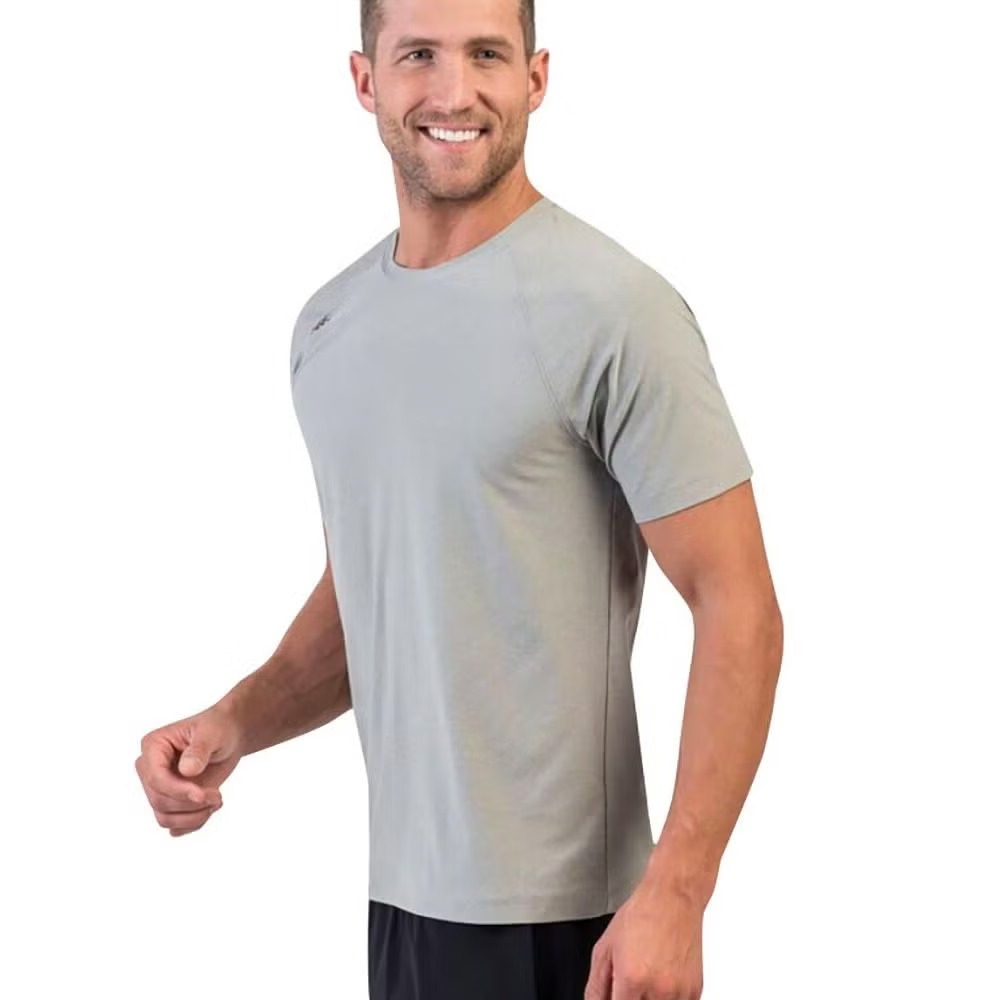
Athletic fit shirts are designed with a more tailored cut that follows the body’s contours. This type of fit is ideal for runners who want a snug and supportive feel during their runs. The form-fitting style reduces excess fabric that can cause chafing, which is particularly prevalent in longer distances. Many athletic fit shirts also feature stretchy materials that allow for unrestricted movement.
Regular Fit
A regular fit shirt is more relaxed in style and is suitable for a wide range of body types. This fit provides ample space for freedom of movement without being overly baggy. Regular fit shirts can be an excellent choice for those who prefer a less restrictive option but still want a functional garment for running. The relaxed cut allows for breathability, making it a comfortable wear even in warmer weather.
Loose Fit
Loose fit shirts are designed to provide maximum airflow and comfort. These types of shirts allow for significant mobility, giving a more laid-back running experience. However, it’s essential to consider that too much looseness can lead to chafing and distractions during your run. Loose fit shirts are better suited for casual jogs or workouts rather than intensive training runs.
Choosing the Right Sleeve Length
Short Sleeves
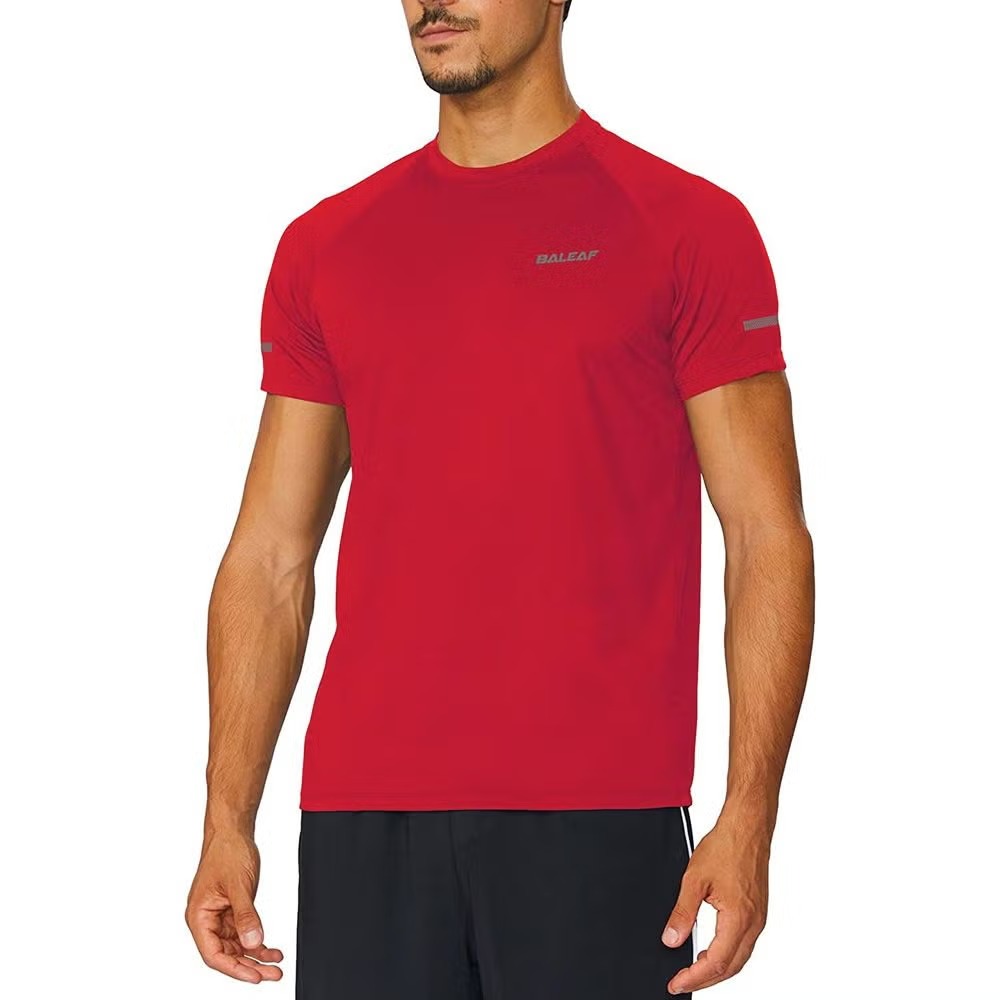
Short sleeve running shirts are a popular choice for warmer months. They provide excellent ventilation and keep you cool during your runs. They’re perfect for casual jogs or high-intensity workouts when protection from the sun is minimal. Generally, short-sleeve shirts offer an optimal balance of lightweight feel and coverage.
Long Sleeves
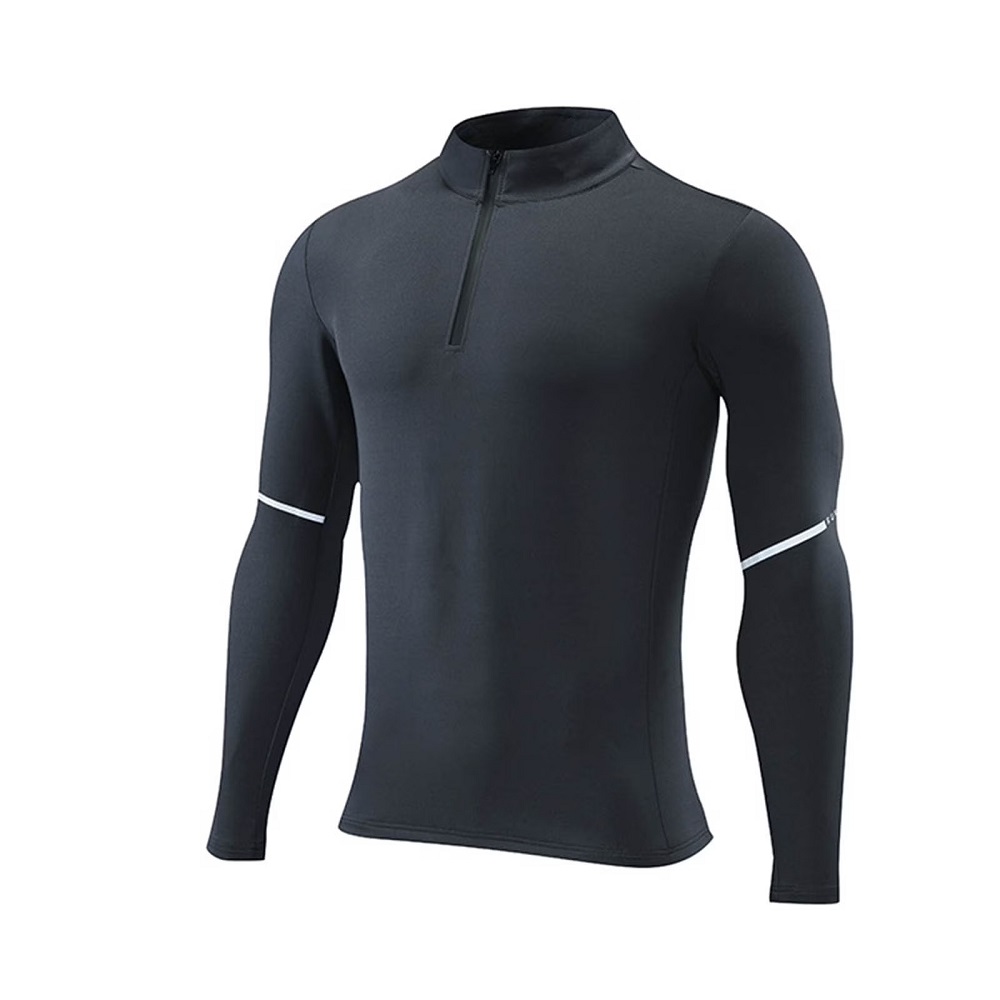
Long sleeve running shirts are ideal for colder weather or transitional seasons. They provide added warmth while still being lightweight and breathable. Long sleeves can also offer protection from the sun’s harmful rays during outdoor runs. If choosing a long-sleeve option, look for shirts with moisture-wicking properties to help regulate body temperature.
Three-Quarter Sleeves
Three-quarter sleeve shirts are a versatile option that falls between short and long sleeves. They provide additional coverage while still allowing for breathability. This style can be an excellent choice for varied weather conditions, offering a balance between warmth and ventilation. Look for three-quarter sleeve shirts designed with performance in mind for the best results during your runs.
Fabrics That Enhance Performance
Cotton: Comfort and Breathability
Cotton is a common fabric choice but is not always the best option for running. While it is soft and breathable, it tends to absorb moisture. This can lead to discomfort when sweating, as wet cotton can become heavy and clingy. However, for casual joggers or short runs, cotton can be comfortable, especially in milder weather.
Polyester: A Performance Staple
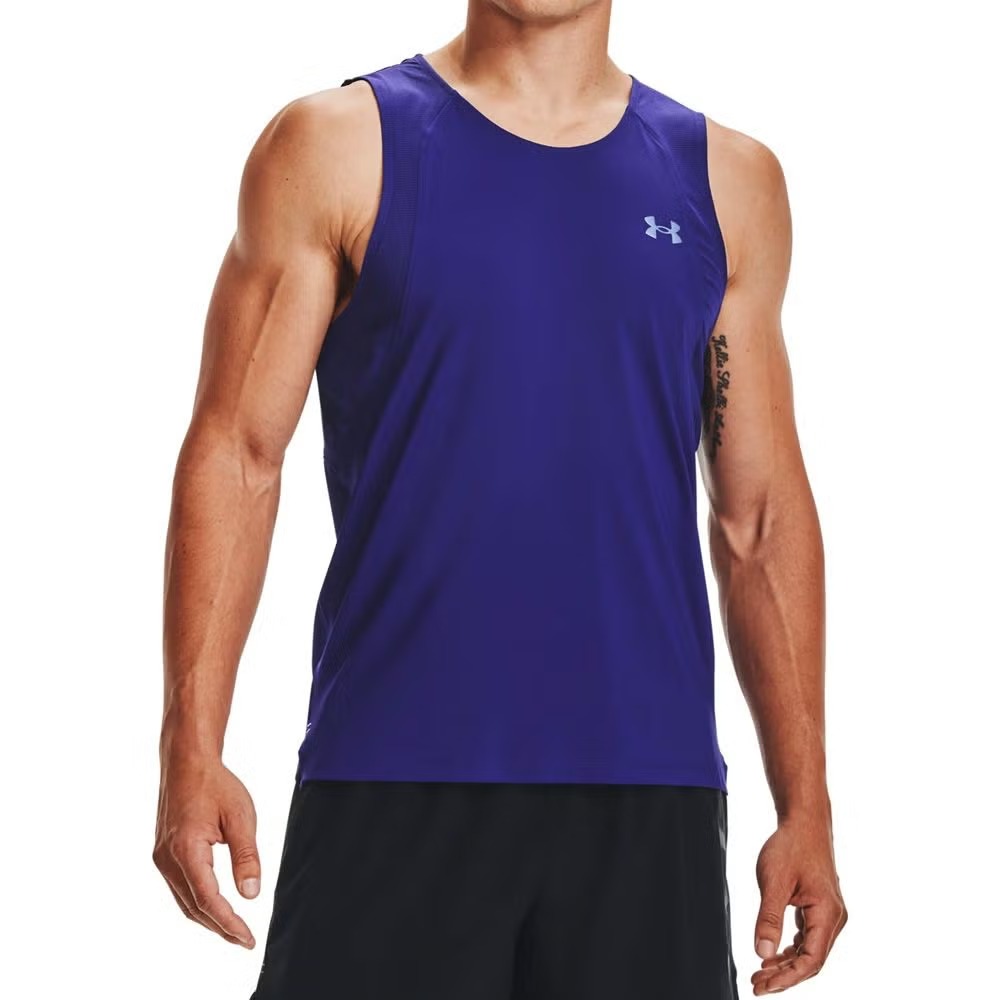
Polyester is a widely favored fabric for men’s running shirts. Its moisture-wicking properties help draw sweat away from the body, keeping you dry during runs. Additionally, polyester is lightweight and quick-drying, making it ideal for long-distance runners. The durability of this fabric ensures that it can withstand frequent use without losing shape or quality.
Merino Wool: A Natural Option
Merino wool has gained popularity among runners looking for a natural fabric that offers exceptional performance. This material is moisture-wicking, temperature-regulating, and odor-resistant, making it an excellent choice for runs in various conditions. Merino wool is ideal for those who prefer natural fibers, offering comfort and durability without promoting excessive overheating.
Weather Considerations
Running in Hot Weather
When running in hot conditions, it’s essential to choose shirts made from lightweight and breathable fabrics. Look for moisture-wicking options that help keep sweat away from the skin. Additionally, opt for lighter colors to reflect sunlight and keep your body cooler. Short sleeves or tank tops can also enhance airflow, ensuring you stay comfortable throughout your run.
Running in Cold Weather
For cold weather runs, layering is crucial. Consider wearing a long-sleeve running shirt made from moisture-wicking material as a base layer. This will keep sweat away from your skin, preventing chills. You can also throw on an outer layer, such as a lightweight running jacket, for additional warmth and protection against the wind. Look for men’s running shirts with features like thumbholes to keep sleeves in place.
Versatility for Transitional Seasons
In transitional seasons like spring and fall, you will want a shirt that allows for easy adjustment. Opt for shirts with varying sleeve lengths to prepare for fluctuating temperatures. A long-sleeve shirt can offer warmth in the morning, while short sleeves can be revealed as the day warms up. Fabrics that provide excellent breathability and moisture management will enhance comfort during these changing conditions.
The Importance of Breathability
Enhancing Airflow
Breathability is one of the most critical factors to consider when selecting a running shirt. A breathable fabric allows air to circulate, preventing overheating during runs. Shirts with mesh panels or ventilation features can further enhance airflow, providing a cooling effect. This is vital in maintaining comfort and performance, particularly during long distances or challenging workouts.
Moisture-Wicking Properties
Moisture-wicking fabrics are designed to draw sweat away from the body. This feature is essential for runners, as it prevents the buildup of moisture that can lead to overheating and discomfort. When selecting a running shirt, be sure to evaluate the moisture-wicking capabilities. Shirts that effectively manage sweat can enhance overall performance, allowing you to stay focused on your run.
Reducing Odor
Odor-resistant fabrics can also add value to a running shirt. After an intense workout, sweaty shirts can develop unpleasant odors, which can be off-putting. Look for materials that incorporate odor-fighting technology to keep your shirt fresh for longer. This is particularly beneficial for runners who frequently engage in longer workouts or spend extended periods outdoors.
Care and Maintenance of Running Shirts
Washing Techniques
Taking care of men’s running shirts is essential for prolonging their lifespan. Always refer to the care labels for specific washing instructions. For most synthetic fabrics, machine washing in cold water is recommended to retain the fabric’s performance features, including moisture-wicking abilities. Avoid using fabric softeners, as these can clog the fabric and reduce its effectiveness.
Drying Methods
When it comes to drying, air drying is preferred to maintain the integrity of your shirts. If machine drying, choose a low heat setting to prevent shrinkage or damage. Ensure that shirts are entirely dry before storing them to prevent mildew or unwanted odors from developing. Proper drying practices will keep your shirts in good condition for many runs to come.
Storage Considerations
Storing running shirts properly is equally important in maintaining their quality. Avoid cramming them into small spaces that can lead to unwanted creases or stretching. Instead, store them in a cool, dry area. Hanging shirts can help maintain their shape, but be sure to avoid shoulder bumps by using appropriate hangers. Taking these steps can help preserve the functionality and longevity of your running apparel.
Conclusion
Choosing the right men’s running shirts are essential for every runner, whether you are an experienced athlete or a casual jogger. Factors such as fit, fabric, sleeve length, and breathability play a vital role in ensuring comfort and performance. By understanding your body type and personal preferences, you can make informed decisions that enhance your running experience.
Be mindful of the weather conditions and opt for suitable fabric options that cater to your needs. With proper care and maintenance, your running shirts can remain in excellent condition and support your training for years to come. With the right gear, you can enjoy your runs, push your limits, and achieve your personal best.