Posted on Leave a comment

Snowboarding Pants: Key Features to Consider When Shopping

snowboarding pants

Types of Snowboarding Pants

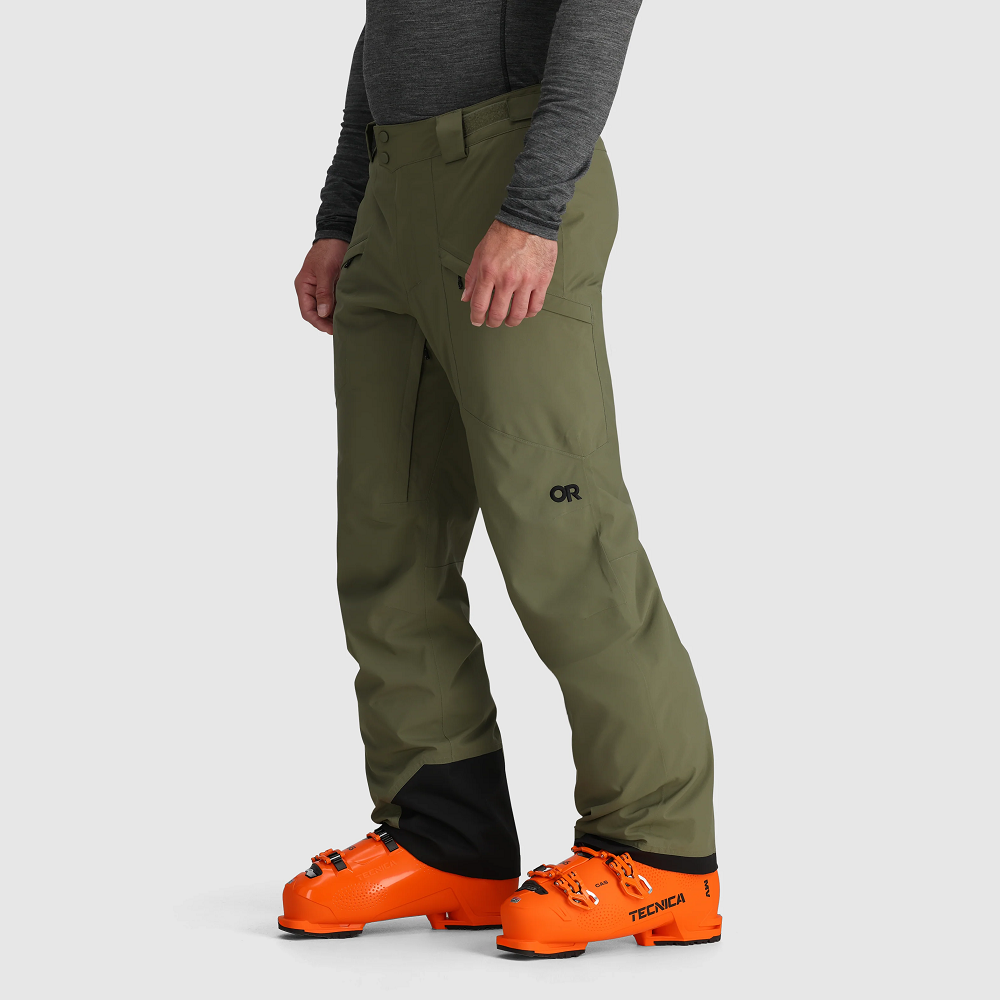
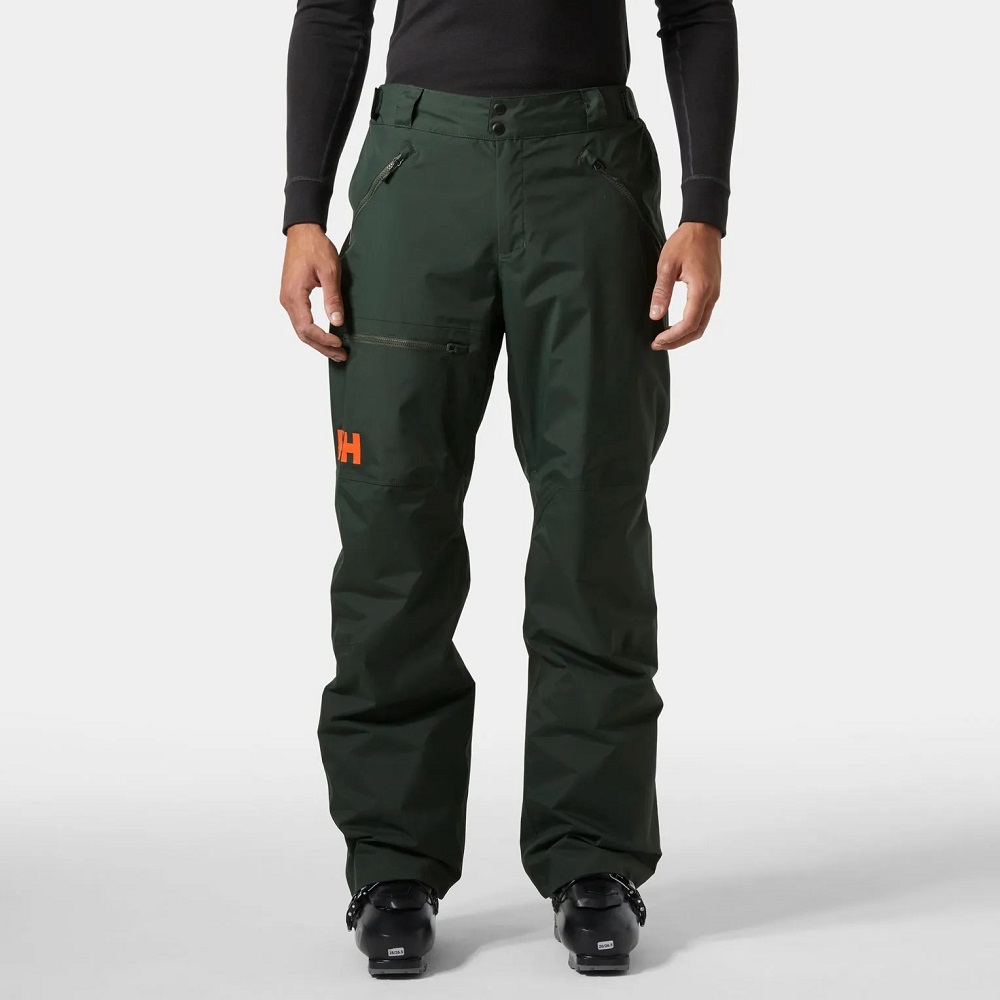
Snowboarding pants come in various types, offering options for different needs and preferences. Choosing the right type is crucial for comfort and performance in different conditions. Here, we’ll explore two primary types: insulated pants and shell pants.

Insulated Pants

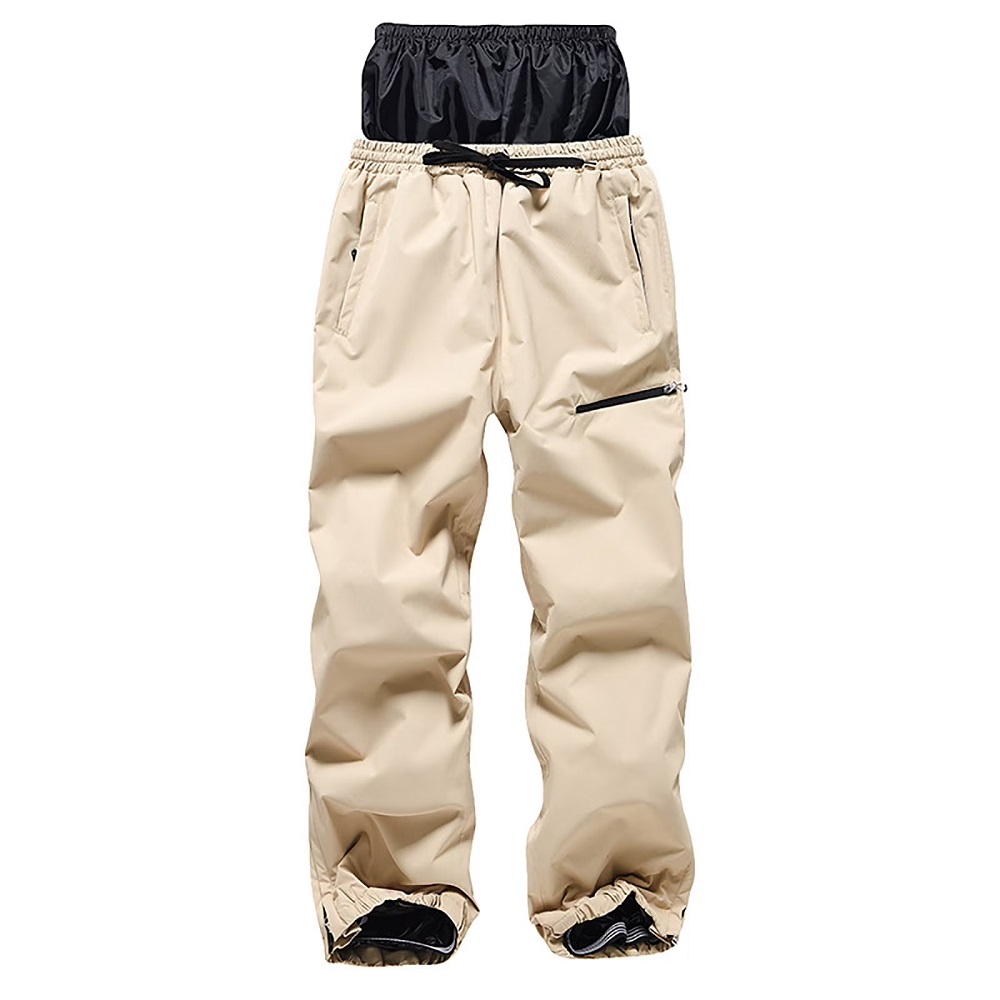
Insulated pants are ideal for cold weather conditions. They have built-in layers that retain warmth and protect against chilly winds. These pants often feature synthetic or down insulation that traps heat effectively. For snowboarding in freezing temperatures, insulated pants offer the best warmth. They are also a good choice for beginners who might spend more time stationary on snowy slopes. However, they might feel heavier or less breathable in warmer conditions.

Shell Pants

Shell pants provide excellent versatility. They do not have insulation layers, making them lightweight and breathable. These pants focus on blocking external elements like wind and snow while allowing moisture to escape. Shell pants work best for layering, letting you add or remove underlayers based on weather. They are highly recommended for active riders or those who prefer customizing their layering system. Shell pants also suit spring snowboarding when temperatures are milder but conditions demand weather resistance.

Choosing between insulated and shell pants depends on weather conditions and personal preferences. Always prioritize comfort and functionality for the best snowboarding experience.
snowboarding pants

Material Considerations

Choosing the right material for snowboarding pants is vital for performance and comfort. High-quality materials enhance weather protection, flexibility, and durability.

Waterproof and Breathable Fabrics

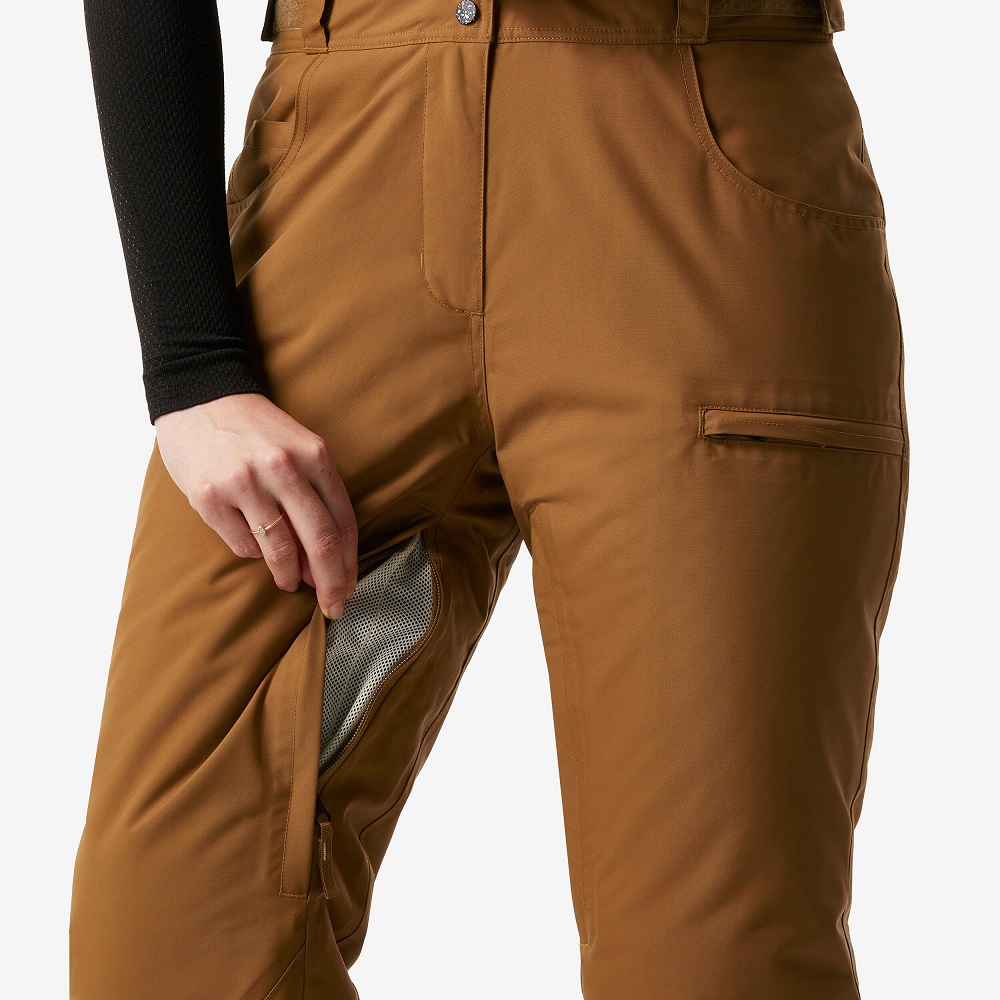
Snowboarding pants must protect against snow, rain, and moisture. Waterproof fabrics like polyester or nylon are excellent for repelling water. Look for pants with a high waterproof rating, such as 5,000mm to 20,000mm, to ensure maximum resistance to snow and rain.

Breathability is equally important. Snowboarding activities generate sweat, which must escape to avoid overheating. Breathable fabrics allow moisture to dissipate while retaining dryness. Look for snowboarding pants that mention breathability ratings, like 10,000g/m2 or higher. This ensures a good balance between waterproofing and ventilation.

Durability Factors

Durable materials extend the lifespan of your snowboarding pants. High-quality fabrics like reinforced nylon or polyester withstand rough slopes and frequent use. For added strength, look for pants with double-layer or reinforced stitching in high-impact areas.

Abrasion resistance is also essential. Protecting against scratches and tears ensures your pants last longer. Features like Cordura patches or heavy-duty panels ensure durability in demanding conditions.

Prioritize materials that combine waterproofing, breathability, and durability to suit various weather and activities. Comfort and performance are ultimately linked to the quality of your snowboarding pants.

Fit and Comfort

Choosing the right fit and comfort for your snowboarding pants impacts performance and enjoyment. Ensuring your pants fit well and include comfort-focused features can improve your snowboarding experience.

Regular Fit vs Slim Fit

Regular fit and slim fit are two common styles of snowboarding pants. Each offers different benefits:

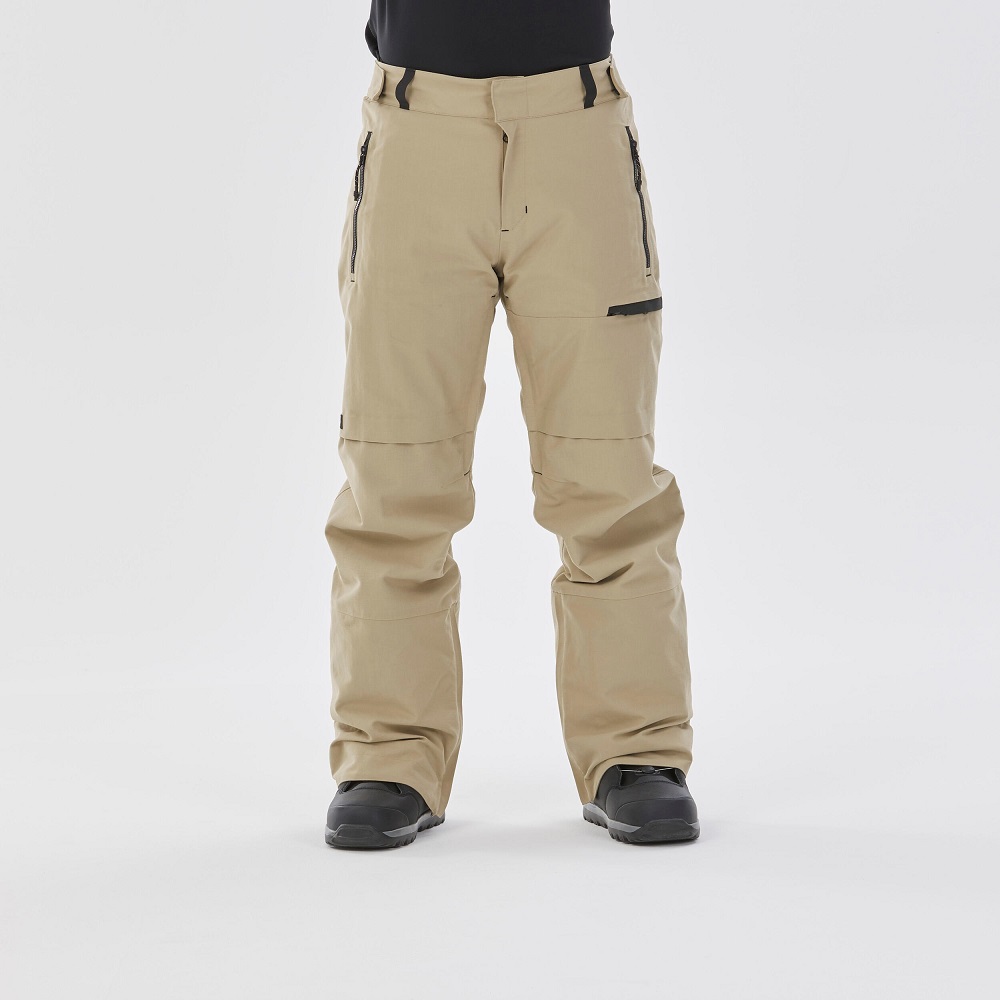
  • Regular Fit: Regular fit snowboarding pants offer a relaxed, comfortable feel. They provide ample room for layers underneath, essential for colder days. This fit is also less restrictive, allowing freedom of movement, making it suitable for riders who prioritize comfort over style.
  • Slim Fit: Slim fit snowboarding pants are more tailored and closely follow the body’s contours. They present a sleeker, modern look favored by style-conscious riders. While not as roomy, slim fit pants can still offer flexibility and mobility for active snowboarders. These pants work best with minimal layering and dry weather conditions.

Choosing between the two depends on personal preferences and your snowboarding needs. Always try pants on to test comfort and movement.
snowboarding pants

Adjustable Features

Adjustable features enhance the functionality and fit of snowboarding pants. Look for the following:

  • Waist Adjusters: Elastic adjustments, Velcro straps, or belt loops ensure a secure and comfortable waistband fit.
  • Cuff Gussets: These provide more room to fit your pants over snowboarding boots and prevent snow intrusion.
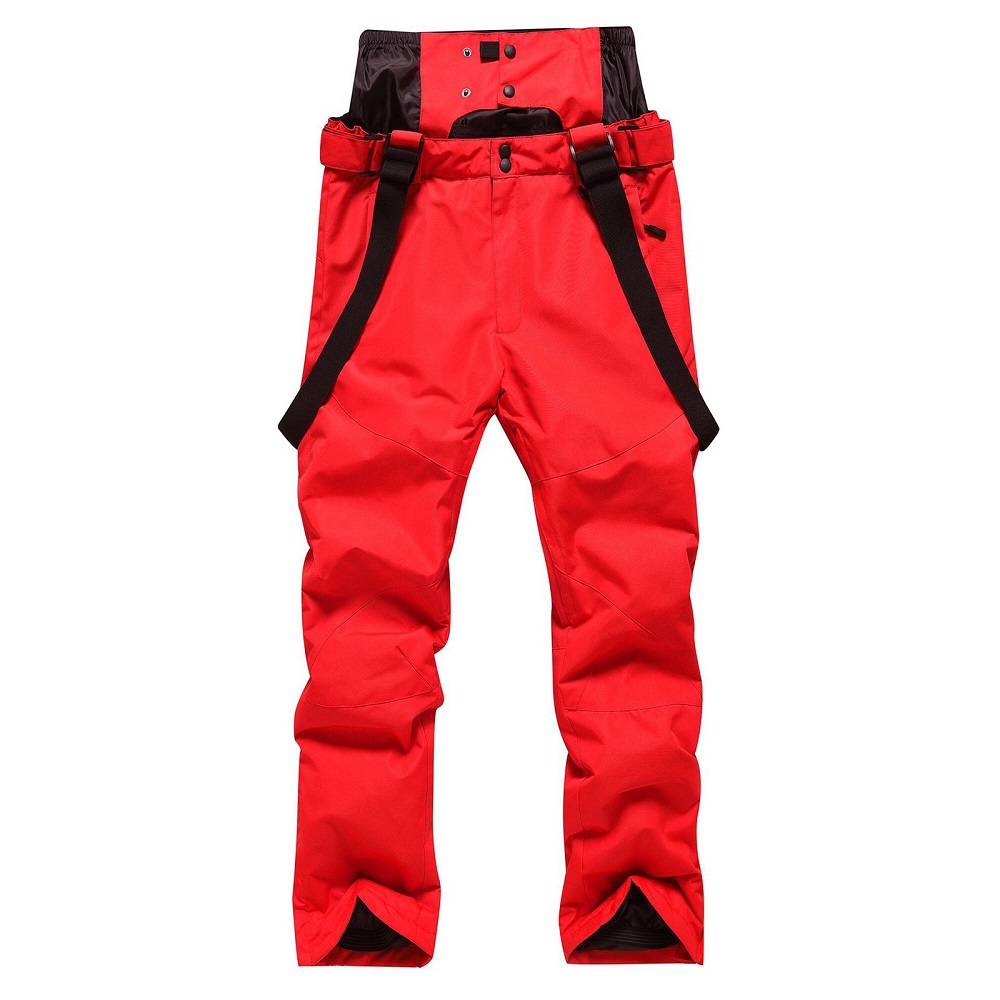
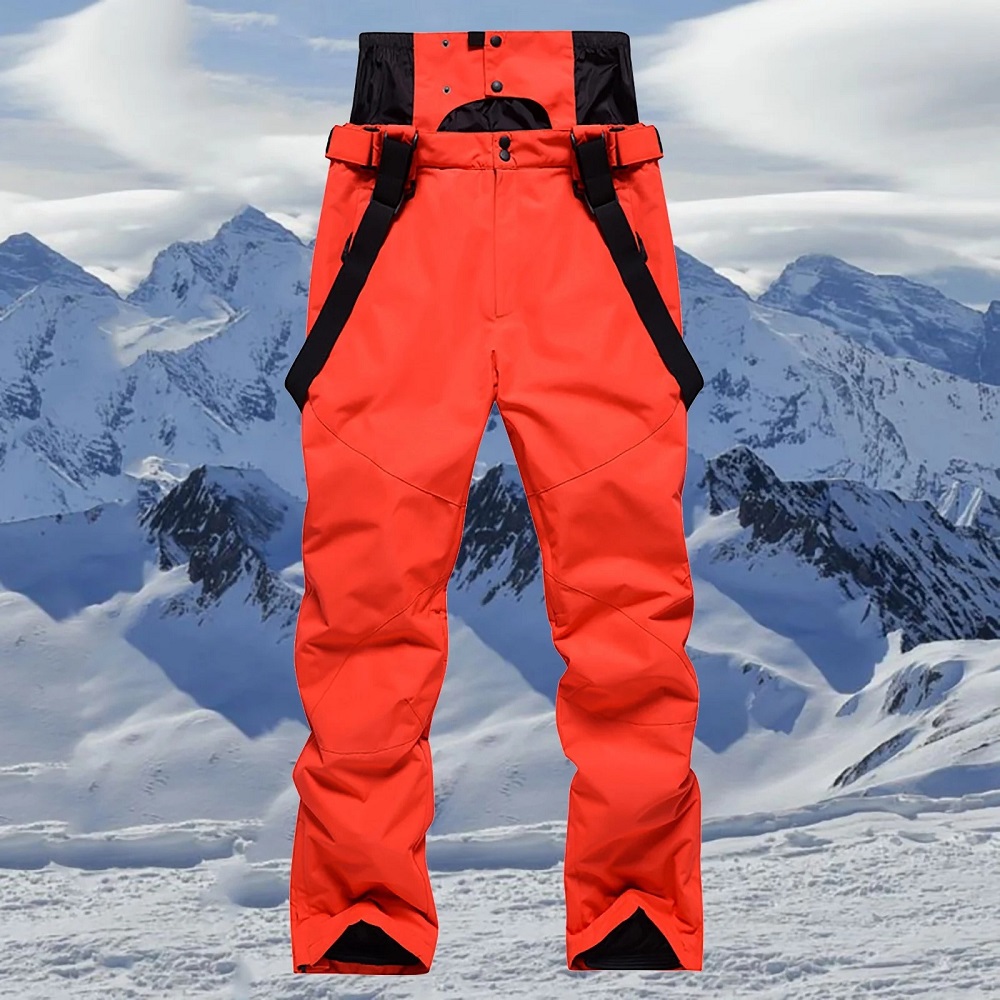
  • Suspenders and Bibs: Some pants come with detachable suspenders or bibs for added support and warmth.
  • Drawstrings and Cinches: These help tighten or loosen different sections for better customization.

Having adjustable features ensures your pants stay in place, even during intense activities. They also provide wiggle room for layering and comfort adjustments based on weather and personal needs.

By selecting the right fit and ensuring ample adjustability, your snowboarding pants will cater to both style and performance.

Seasonal Adaptability

Selecting snowboarding pants with seasonal adaptability ensures comfort in varying weather conditions. Different seasons demand specific features to maintain warmth, breathability, and flexibility. Understanding these options helps snowboarders make informed choices, optimizing their performance.

Cold Weather Pants

Cold weather snowboarding pants are specifically designed to handle freezing temperatures and harsh conditions. They prioritize warmth and insulation to keep the body protected.

  • Insulation: Choose pants with synthetic or down insulation for efficient heat retention. Insulated pants trap body heat and block cold winds effectively. These pants work best for riders in sub-zero temperatures or during mid-winter snowboarding trips.
  • Waterproofing: High waterproof ratings, such as 15,000mm or higher, protect against snow and moisture. This ensures you stay dry even in wet snow conditions.
  • Layering: Opt for pants with room to accommodate base layers for additional warmth. Layering allows flexibility and helps adapt to temperature changes throughout the day.
  • Additional Features: Look for pants with fleece-lined pockets, windproof panels, and adjustable waistbands for added comfort. These features enhance warmth and ease of use in colder climates.

Cold weather pants are ideal for snowboarders spending long hours on icy slopes or regions with extreme winter conditions. Prioritize insulation and weather resistance for the best cold-weather experience.

Spring Snowboarding Options

Spring snowboarding requires pants that handle mild temperatures and slushy conditions. Focus on breathability, waterproofing, and lightweight materials for comfort.

  • Breathability: Select pants with high breathability ratings (e.g., 10,000g/m2 or more). This prevents overheating during active spring sessions.
  • Lightweight Fabrics: Shell pants are perfect for spring. They are lightweight and allow moisture to escape. Their versatility makes them suitable for layering depending on daytime warmth.
  • Waterproofing: Opt for pants with moderate waterproof ratings (e.g., 10,000mm to 15,000mm). These protect against wet snow and slushy conditions.
  • Ventilation Features: Consider pants with zippered vents for added airflow. These help regulate heat during intense rides.
  • Mobility and Fit: Slim-fit options work well in spring, as they are lighter and provide more flexibility. Prioritize mobility and comfort for superior performance.

Adapting your snowboarding pants to the season enhances both comfort and performance. Choose carefully, depending on the weather and your activity needs.
snowboarding pants

Key Features to Look For

When selecting snowboarding pants, key features can significantly improve functionality and performance. Focus on essential elements to ensure a comfortable and practical experience on the slopes.

Pockets and Storage

Pockets are vital for carrying small essentials while snowboarding. Features to look for include:

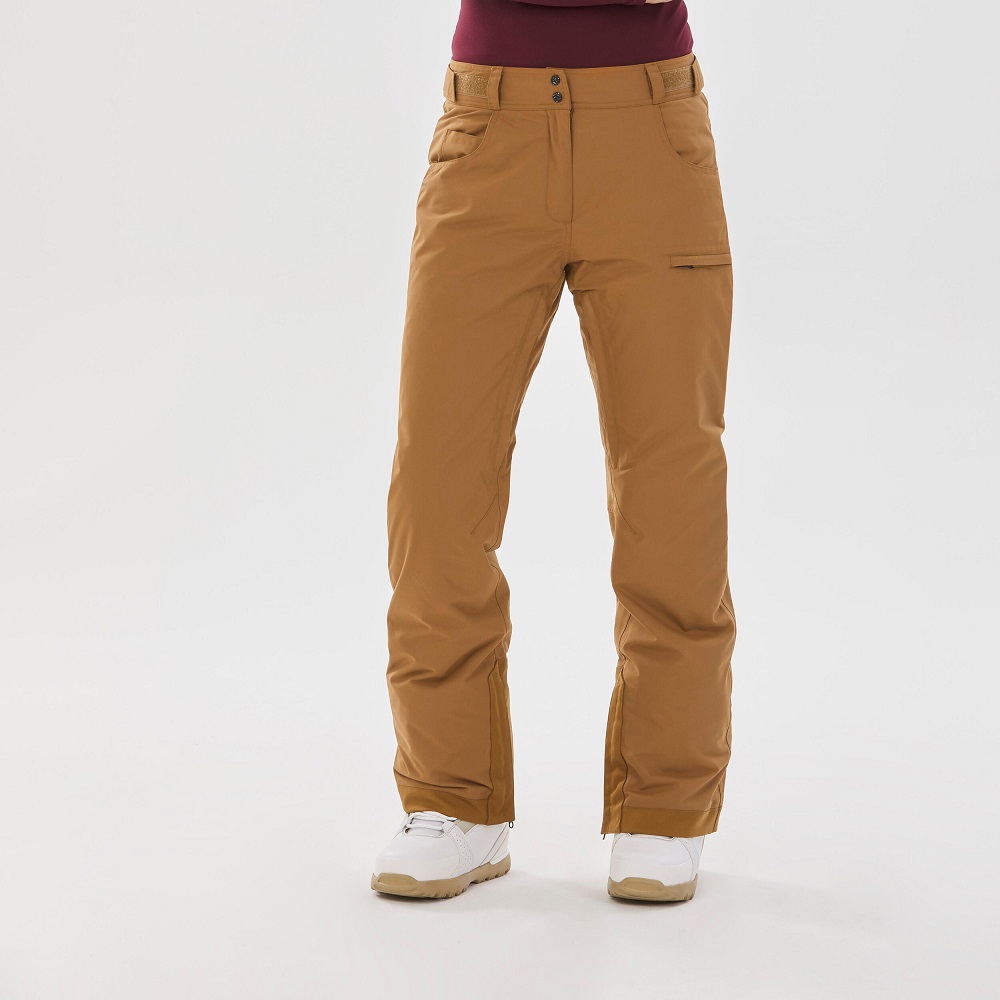
  • Secure Zippers: Ensure pockets have zippers to keep items safe during activities.
  • Waterproof Linings: Waterproof pockets protect stored items from moisture and snow.
  • Multiple Pockets: Choose pants with multiple compartments to organize your belongings efficiently.
  • Easily Accessible Locations: Place items within easy reach, such as on the thighs or sides.

Pockets help carry keys, wallets, or lift passes without the need for an extra bag. Organized storage reduces hassle and keeps items safely secured.

Reinforcements in High-Wear Areas

Reinforcements provide durability and protect against wear and tear. Key features include:

  • Reinforced Knees: Extra padding or durable fabric protects from frequent kneeling or impacts.
  • Cuff Guards: Reinforcements around the cuffs prevent fraying caused by contact with boots or edges.
  • Sealed Seams: Look for fully taped or welded seams to enhance durability and waterproofing.
  • Hardwearing Fabrics: Features like Cordura or heavy-duty nylon ensure longevity against abrasions and harsh conditions.

These reinforcements help your snowboarding pants last longer, handling challenging slopes and frequent use.

By opting for pants with practical pockets and reinforced areas, snowboarders enjoy better functionality and durability. Always assess these features to enhance your overall performance and comfort on the mountain.

Popular Brands for Snowboarding Pants

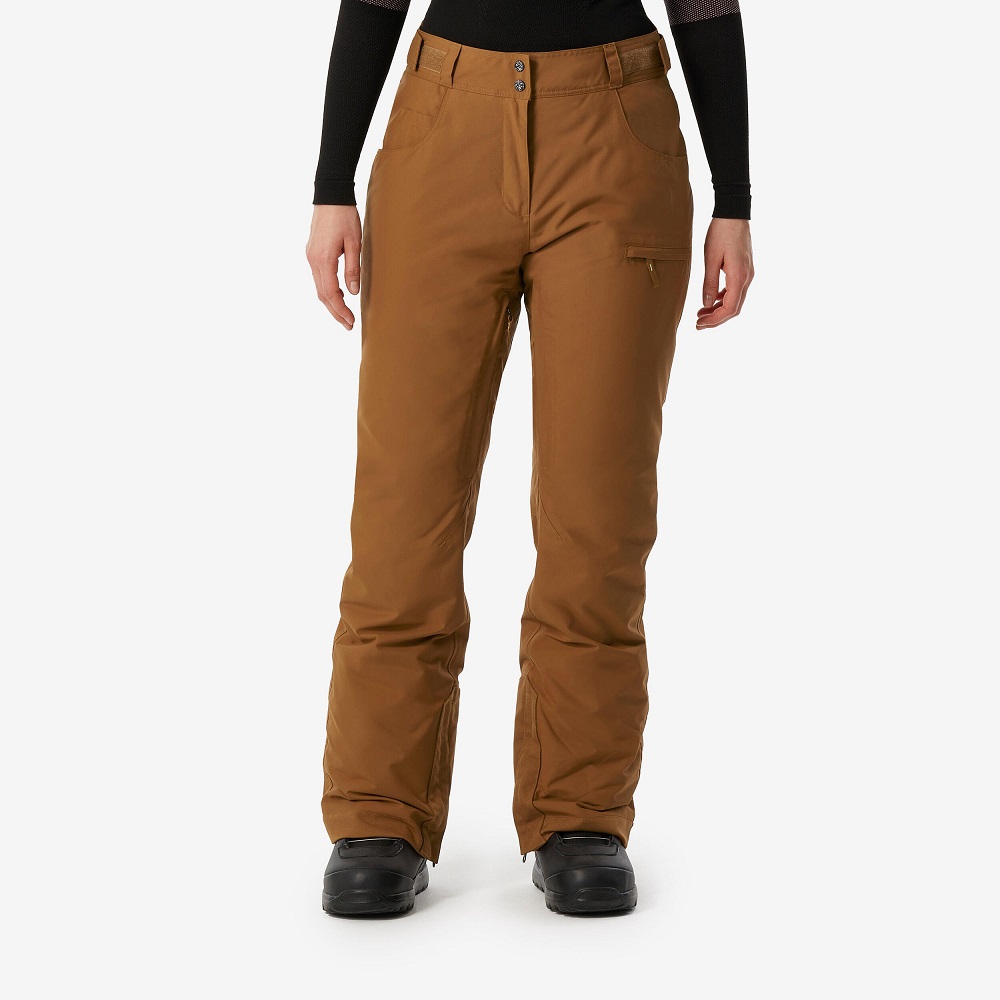
Selecting trusted brands ensures quality and reliable snowboarding pants for all conditions. Different brands cater to varied price points and features. Knowing popular snowboarding pants brands helps in making an informed purchase decision.

Budget-Friendly Options

Budget-friendly brands offer snowboarding pants that combine affordability and performance. Here are some well-known options:

  • Arctic Edge: Ideal for beginners, offering insulated pants for cold and mild weather.
  • Columbia: Known for durable and waterproof pants at accessible prices.
  • Campri: Provides lightweight shell pants suitable for spring snowboarding.

These brands balance cost with essential features like waterproofing and durability. Many offer adjustable designs for better fit and comfort. Look for sales or discounts to maximize affordability when purchasing from these brands.

Premium Brands

Premium brands deliver high-end snowboarding pants with advanced features and top-tier materials. Consider these leading options:

  • Burton: Offers versatile pants combining weather resistance, breathability, and a stylish design.
  • The North Face: Known for insulated pants and robust materials built for extreme snowboarding conditions.
  • Volcom: Boasts modern designs with reinforced fabrics and excellent waterproofing.
  • Arc’teryx: Premium for professional snowboarders, offering superior durability and technical functionality.

Although premium brands are costly, their durability and advanced features compensate for the price. Features like multi-layer waterproof protection and abrasion resistance enhance performance. Premium options are ideal for experienced riders and those seeking long-term value.

Explore both budget-friendly and premium brands based on your needs and priorities. Always prioritize comfort, fit, and performance in snowboarding pants.
snowboarding pants

Maintenance and Care Tips

Proper maintenance and care extend the life of your snowboarding pants. Following essential tips ensures they remain in great condition.

Proper Washing Techniques

Washing snowboarding pants correctly preserves their quality and functionality. Here’s how you can do it:

  • Read the Care Label: Follow the manufacturer’s instructions. Each pair may have specific washing requirements.
  • Use Mild Detergent: Harsh or bleach-based detergents can damage waterproof coatings or fabric.
  • Wash in Cold Water: Cold water protects waterproof materials and prevents shrinking or fabric damage.
  • Select Gentle Cycle: Use the gentle or delicate washing machine cycle for minimal fabric stress.
  • Avoid Fabric Softeners: Fabric softeners degrade waterproofing and decrease the pants’ breathability.
  • Reapply Durable Water Repellent (DWR): After washing, refresh waterproof coatings using a DWR spray or treatment for better protection.
  • Air-Dry Only: Let pants air-dry to preserve the material. Avoid using tumble dryers.

Regular washing removes dirt and oils, maintaining both comfort and performance of your snowboarding pants.

Storing Snowboarding Gear

Proper storage of snowboarding pants keeps them in good shape for the next season. Here’s what to do:

  • Clean Before Storing: Ensure pants are fully washed and dried to avoid mold or unpleasant odors.
  • Store in a Cool, Dry Place: Keep pants away from direct sunlight or humid environments to protect the material.
  • Fold Loosely: Avoid tight folds or compression that can cause creases or damage waterproofing layers.
  • Use a Garment Bag: Store pants in a breathable garment bag to prevent dust buildup.
  • Keep Away from Sharp Objects: Avoid storing pants near items that might tear or puncture the fabric.

By storing your snowboarding pants correctly, you’ll maintain their quality and be ready for your next adventure.

Ready to Hit the Slopes

Finalizing Your Choice

In summary, purchasing the right snowboarding pants requires careful consideration of multiple factors. From choosing the correct fit and style to evaluating materials and features, each decision has an impact on your overall experience. By taking the time to understand these elements, you’ll be better equipped to find snowboarding pants that work for you.

Embracing Your Snowboarding Journey

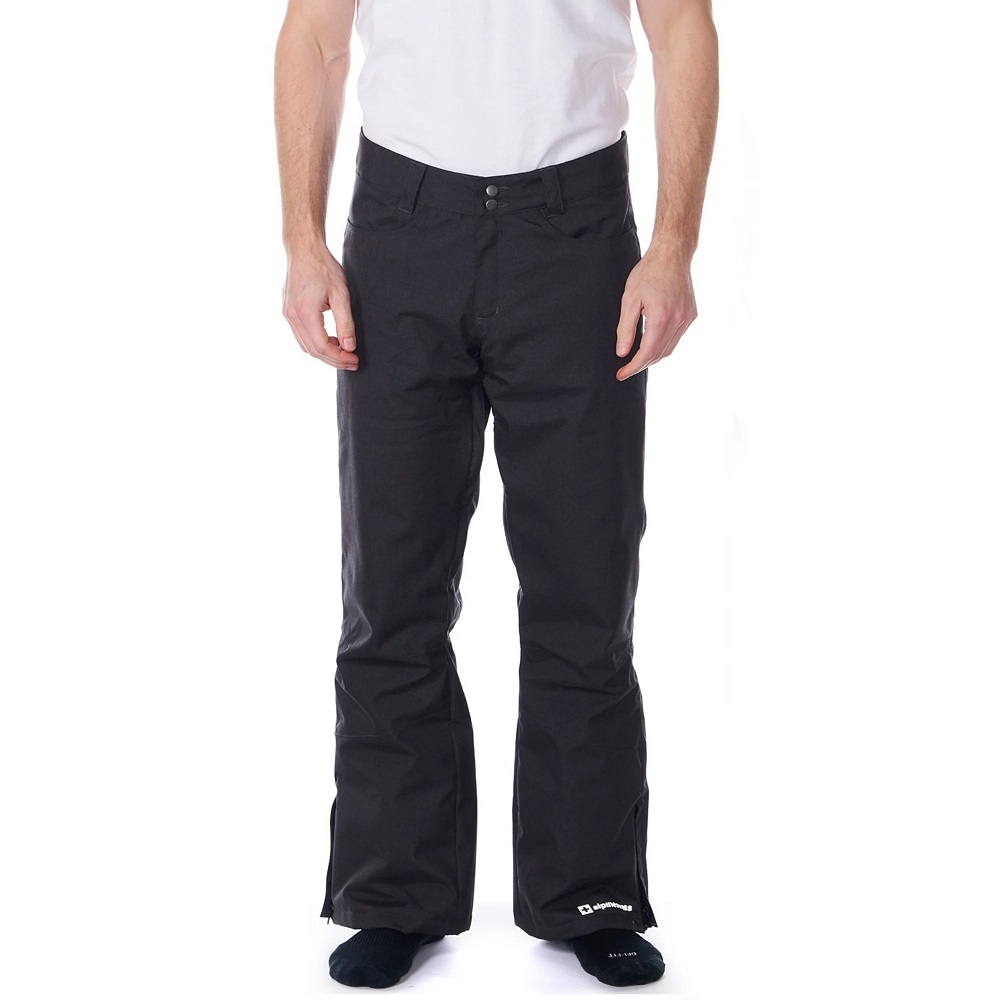
Owning a good pair of snowboarding pants allows you to fully embrace your time on the slopes. You’ll feel confident and comfortable, helping you enjoy every moment of your snowboarding adventures. The right gear can significantly impact your performance, keeping you warm and dry while you engage in your favorite winter sports.
snowboarding pants

Make Every Ride Count

As winter approaches, ensure you are equipped with high-quality snowboarding pants that meet your needs. Remember the factors discussed in this guide, and take the time to make an informed purchase. With the right pants, you’ll be ready to hit the slopes and make the most of the snowboarding season. Enjoy the thrill of the ride and the beauty of winter landscapes, all while looking stylish and feeling protected.
Posted on Leave a comment

Snowboarding Pants: Essential Tips for Selecting the Perfect Fit

snowboarding pants

Importance of Proper Snowboarding Pants

Snowboarding pants are essential for safety, comfort, and performance. They form a crucial part of your snowboarding gear, protecting you from the elements and enhancing mobility.

Why Snowboarding Pants Matter

Snowboarding pants are specifically designed for harsh winter conditions. They offer protection against snow, wind, and cold temperatures. Regular pants lack features like waterproofing and insulation, which are vital in snowy environments. These pants also improve safety by preventing snow from entering your base layers, keeping you dry and warm. Additionally, they are tailored to allow better movement, enabling smoother and more flexible riding. Choosing proper snowboarding pants ensures a better experience on the slopes.

Outdoor Conditions and Performance

Snowboarding pants are built to withstand varied weather conditions. They are made from materials that offer insulation and repel moisture, keeping you warm and dry. In extreme cold, you need pants with high insulation. During warmer spring snowboarding, lightweight and breathable options prevent overheating. Performance on the slopes depends on these key features. Snowboarding pants reduce the risks of discomfort, frostbite, and accidents caused by restricted movement. By understanding the demands of your environment, you can select pants suited for maximum outdoor performance.

snowboarding pants

Types of Snowboarding Pant

Choosing the right type of snowboarding pants is crucial. Different styles serve specific needs and conditions. Understanding the options helps you make the best choice for your snowboarding adventures.

Insulated vs. Shell

Insulated snowboarding pants keep you warm in extremely cold conditions. They contain padding or insulation to trap heat. These pants are ideal for winter snowboarding or icy climates. However, they might feel too warm for mild or spring days.

Shell snowboarding pants offer versatility. They have no insulation but provide protection from wind and moisture. They are lightweight and breathable, perfect for warmer days or layering. Pair them with thermal base layers for added warmth during colder times. Choose insulated pants for warmth or shell pants for adaptability.

Bibs vs. Standard Pants

Snowboarding bibs provide extra coverage. They extend above the waist and have adjustable suspender straps. Bibs protect against snow entering your pants, especially during falls. They are great for deep snow or heavy powder conditions. Some riders prefer bibs for added warmth and comfort.

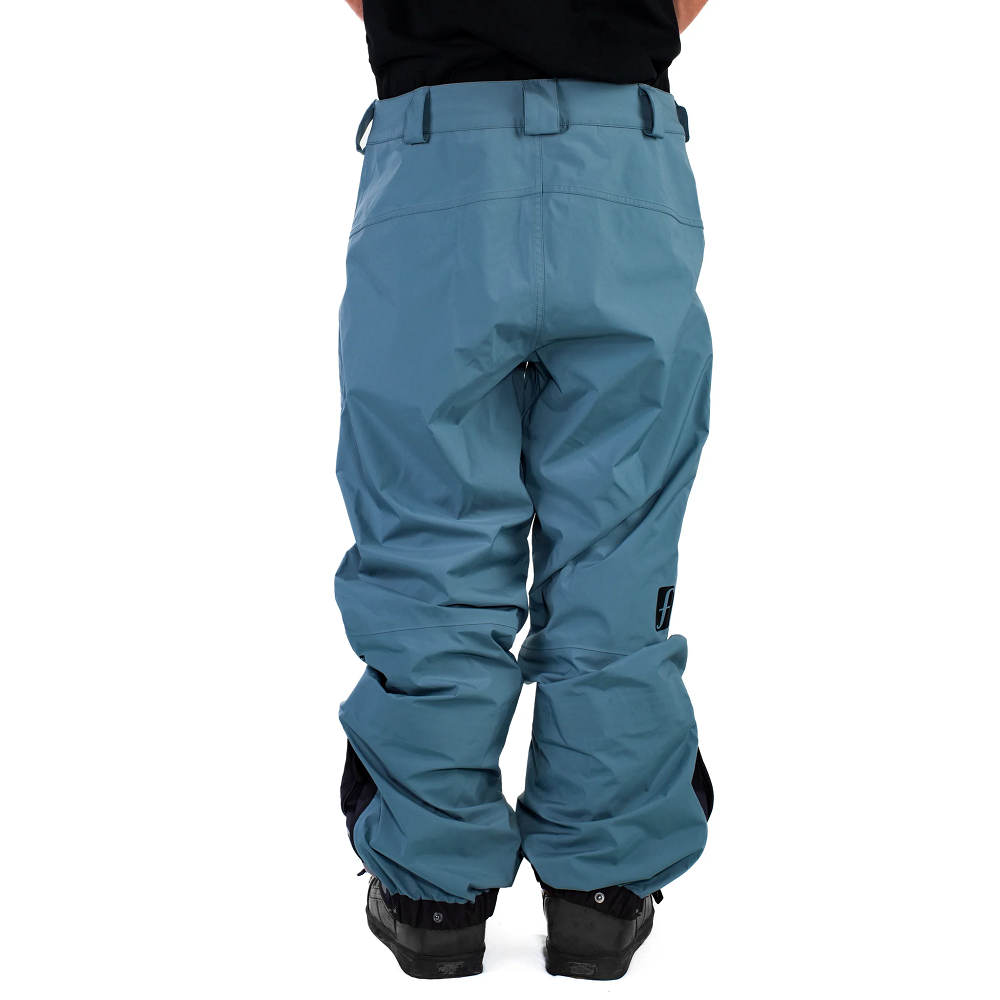
Standard snowboarding pants offer a classic and straightforward fit. They sit at the waist and are easy to wear. These pants allow more freedom of movement without overhead straps. Riders who prioritize flexibility often prefer standard pants. Consider bibs for snowy conditions and standard pants for unrestricted movement.

Key Features to Look for in Snowboarding Pant

Snowboarding pants are not just about style—they are built for functionality. Selecting pants with the key features mentioned below is essential for an optimum experience on the slopes.

snowboarding pants

Waterproofing and Breathability

Waterproofing is crucial to keep you dry in snowy conditions. Look for pants with a waterproof rating, measured in millimeters (e.g., 10,000mm or higher). Higher ratings mean better water resistance. Breathability is equally important to prevent sweat buildup. Choose pants with breathable fabrics that allow moisture to escape, keeping you comfortable. Some pants even have vents for added airflow.

Durability and Reinforced Panels

Snowboarding pants often face wear and tear from falls or rough terrain. Durable materials such as nylon and polyester increase longevity. Reinforced panels, especially on the knees, seat, and inner cuffs, add extra protection. These areas are most prone to abrasion and damage, so reinforced designs can save your pants from ripping.

Adjustable Waistbands and Fit

Proper fit is important for comfort and performance. Adjustable waistbands with straps or Velcro help achieve a snug fit. Some pants include belt loops for added customization. This feature prevents the pants from slipping during activity. A good fit enhances mobility and ensures you’re comfortable throughout your ride.

Ventilation Options

Ventilation is essential for regulating body temperature. Look for pants with zippered vents located on the inner thighs or sides. These vents can be opened or closed depending on the weather. During intense runs or warm days, vents help keep you cool. On cold days, closed vents provide extra warmth by keeping cold air out.

By focusing on these key features—waterproofing, durability, comfort, and ventilation—you can find the best snowboarding pants for your needs. Prioritizing these aspects ensures better performance, protection, and enjoyment in any snowboarding conditions.

snowboarding pants

Material and Fabric Considerations

Choosing the right materials is crucial for snowboarding pants. The fabric affects warmth, comfort, and durability. Understanding these choices ensures better performance on the slopes.

Common Materials Used

Snowboarding pants are made with specialized materials. These include polyester, nylon, and Gore-Tex. Polyester is lightweight, durable, and water-resistant. Nylon is tough and withstands rough conditions. Gore-Tex offers advanced waterproofing and breathability, ideal for extreme weather. Some pants have synthetic insulation like PrimaLoft or Thinsulate for added warmth.

Other pants feature stretchy fabrics or blends. These materials improve mobility during intense activities. Reinforced fabrics protect high-impact areas such as knees and cuffs. Choose materials that align with the conditions and your snowboarding style.

Benefits of Stretchable and Flexible Fabrics

Stretchable fabrics enhance movement and comfort. They allow you to bend and twist freely. Flexible materials improve performance during difficult maneuvers. These fabrics adapt to your body’s motion, reducing restrictions.

Stretchable pants also fit better, especially for dynamic snowboarding moves. They minimize pressure points and keep you comfortable all day. Combining stretch and durability ensures pants last longer even under heavy use. Flexible designs are perfect for riders who enjoy freestyle tricks or dynamic runs.

By focusing on materials and fabric properties, you can pick pants that meet your needs. Prioritize features like waterproofing, insulation, and flexibility for better snowboarding experiences.

snowboarding pants

Sizing and Fit Guide for Snowboarding Pant

Proper sizing and fit are crucial for snowboarding pants. Ill-fitting pants can limit movement and comfort. Choosing the right size ensures better performance and an enjoyable snowboarding experience.

Choosing the Right Size

  1. Measure Your Body Accurately: Use a tape measure to check your waist, hips, and inseam.
    • Measure your waist where your pants naturally sit.
    • Measure your hips at the widest point.
    • Measure the inseam from your groin to your ankle.
  2. Understand Sizing Charts: Refer to the brand’s size chart. Different brands may vary in sizing.
  3. Leave Room for Layers: Snowboarding requires base layers. Ensure the pants fit comfortably over them.
  4. Check the Length: The pants should cover your boots without dragging excessively on the ground.
  5. Consider Adjustable Features: Pants with adjustable waistbands or Velcro allow for a more precise fit.

A proper size ensures flexibility, protection, and warmth during snowboarding.

Tips for Testing Fit Comfort

  1. Bend and Squat: Try bending, squatting, or mimicking snowboarding movements to check stretch and comfort.
  2. Wear Layers During Fitting: Bring your snowboarding base layers when testing pants in a store.
  3. Check the Waistband: Ensure it fits snugly without being too tight or loose.
  4. Examine the Leg Fit: Look for enough room to move without the fabric bunching up.
  5. Look for Restrictions: Pants should not restrict movements like bending knees or twisting your body.
  6. Consider the Rise: Ensure the pants cover your back and stay in place when you move.

Finding a suitable size and testing the fit ensures comfort, flexibility, and better snowboarding fun.

Style Options for Snowboarding Pant

Choosing the right style of snowboarding pants is essential for both performance and personal taste. Style not only enhances confidence but also adds a touch of personality to your snowboarding gear. Here are two key style considerations to keep in mind.

Solid Colors vs. Patterns

Snowboarding pants come in a variety of colors and patterns to match your taste.

  1. Solid Colors:
    • Classic and Versatile: Solid-colored pants such as black, navy, or gray are timeless and work with any ensemble.
    • Pairing Flexibility: They pair easily with most jackets or snowboarding gear, making them ideal for versatility.
    • Easy Maintenance: Dirt and stains may appear less visible on darker solid colors.
  2. Patterns:
    • Bold and Stylish: Patterns like camo, plaid, or graphic prints allow you to stand out on the slopes.
    • Express Yourself: Choose patterns that reflect your personality and make a statement.
    • Better Visibility: Bold patterns can also make you easier to spot in crowded areas or on the trails.

When deciding between solid colors and patterns, consider your personal style and practical needs.

snowboarding pants

Matching Pants to Snowboarding Gear

Coordinating your snowboarding gear creates a polished and professional look. Here are some tips:

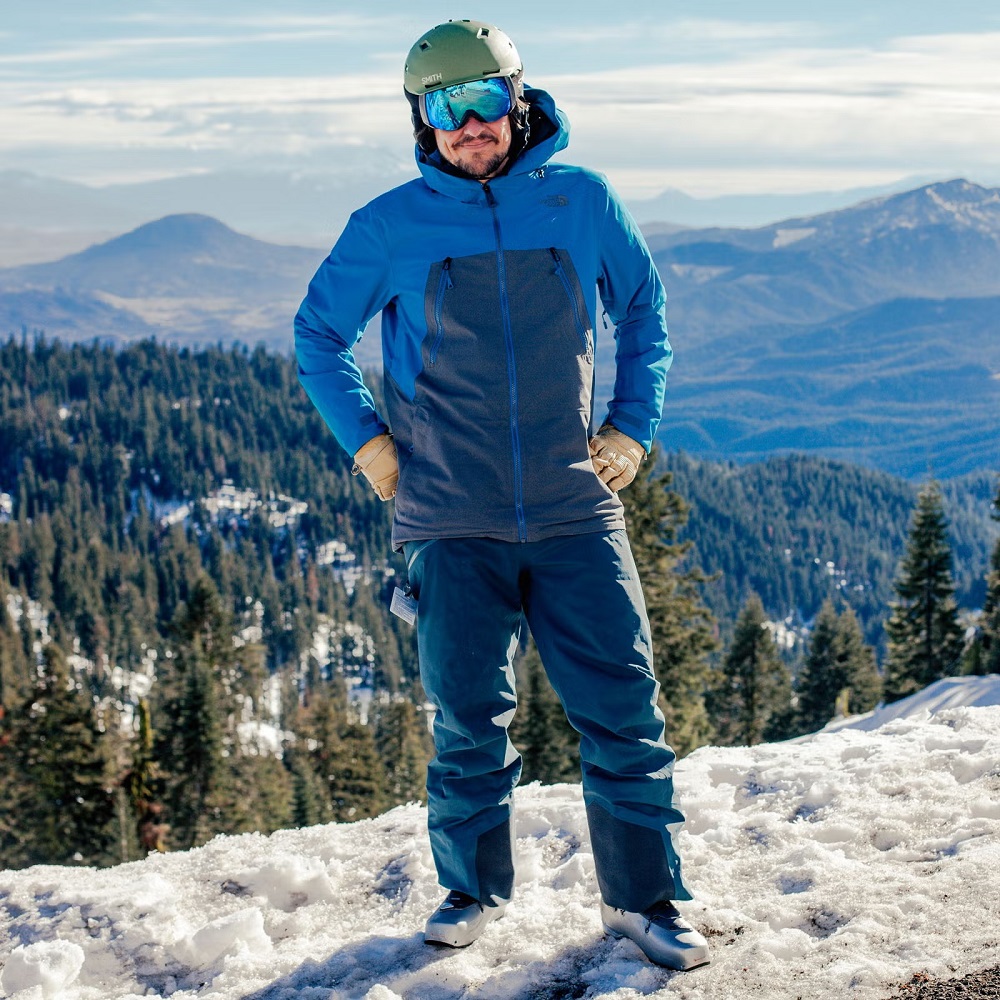
  1. Choose Complementary Colors: Match your snowboarding pants to the colors of your jacket, gloves, and helmet. For a bold look, opt for contrasting colors.
  2. Stick to a Theme: Decide on a color scheme or theme (e.g., monochrome, neon, earth tones) to unify your outfit.
  3. Consider Functionality: Ensure your chosen style doesn’t compromise essential features like waterproofing, breathability, or durability.
  4. Reflect Your Personality: Use colors and patterns to showcase your unique style and stand out on the slopes.

By selecting the right style and ensuring your snowboarding pants complement your overall gear, you can hit the slopes with both functionality and flair.

Budget-Friendly vs. Premium Snowboarding Pant

Choosing between budget-friendly and premium snowboarding pants often depends on personal needs and priorities. Both options cater to different groups of snowboarders, balancing cost and features.

Comparing Price Ranges

  1. Budget-Friendly Options:
    • These pants are generally more affordable, making them ideal for beginners or occasional riders.
    • Price range: $50 to $150.
    • Basic features: Some waterproofing and insulation, but limited durability and fewer additional features.
    • Suitable for mild conditions or minimal snowfall. They may lack advanced fabrics or reinforcements.
  2. Premium Snowboarding Pants:
    • High-end pants offer advanced materials and superior design for enhanced performance.
    • Price range: $200 to $500 (or more).
    • Premium features: High waterproof ratings, superior ventilation, durable fabrics, and reinforced panels.
    • Ideal for challenging conditions, including heavy snowfall, ice, and extreme cold temperatures.

When deciding, consider how often you’ll snowboard and the conditions you’ll face. Budget-friendly pants are suitable for casual use, while premium ones are for dedicated riders.

Evaluating Value for Money

  1. Performance Matters:
    • High-quality pants last longer and offer extra protection against snow and cold.
    • Budget pants save money short-term but may require frequent replacements.
  2. Essential Features:
    • A mid-range option with good waterproofing, insulation, and durability might be a smarter choice.
    • Look for pants that prioritize essential snowboarding features over unnecessary extras.
  3. Usage and Frequency:
    • For occasional riders, budget-friendly pants provide adequate performance.
    • Seasoned snowboarders or those venturing into extreme conditions should invest in premium features.
  4. Brand and Warranty:
    • Trusted brands may offer a warranty on high-end pants, adding value.
    • Check reviews to understand the durability and performance before purchasing.

Select snowboarding pants based on your budget, riding frequency, and the weather conditions you’ll encounter. Balance quality with affordability to ensure safety, comfort, and long-term savings.

Maintenance and Care Tips for Snowboarding Pant

Proper maintenance is crucial for prolonging the life of your snowboarding pants. Regular care ensures they perform effectively and stay durable for multiple seasons. Here are essential tips for cleaning and storage:

Cleaning and Washing Guidelines

  1. Check the Care Label: Always read the manufacturer’s instructions before cleaning your snowboarding pants.
  2. Use Mild Detergent: Harsh detergents can damage waterproof coatings. Choose a gentle, non-detergent cleaner.
  3. Wash in Cold Water: Use cold water and a gentle cycle setting to preserve the fabric.
  4. Avoid Fabric Softeners: Fabric softeners can reduce the effectiveness of waterproof layers and breathability.
  5. Close Zippers and Vents: Secure all zippers, buttons, and Velcro straps to avoid damaging them in the wash.
  6. Air Dry Your Pants: Avoid using a dryer. Hang them in a cool, well-ventilated area.
  7. Reapply Waterproof Coating: Use a specialized product to restore the waterproof layer if necessary.
  8. Spot Clean Stains: Use a gentle cloth and mild soap for small stains before washing fully.

Proper cleaning keeps your pants dry, comfortable, and ready for your next adventure.

Long-Term Storage Recommendations

  1. Ensure Pants Are Dry: Always store completely dry pants to prevent mold formation.
  2. Avoid Direct Sunlight: Store in a cool, dry, and dark place to prevent fabric damage.
  3. Use a Breathable Bag: Place pants in a storage bag that allows air circulation.
  4. Avoid Folding: Hang pants to maintain their shape and avoid creases.
  5. Check Before Storing: Inspect the pants for damage or stains before putting them away.
  6. Reapply Waterproofing: Apply a waterproof spray before storing if the pants are losing their water resistance.
  7. Keep Away from Chemicals and Oils: Store your pants far from anything that could damage the material.

Taking these simple maintenance steps ensures your snowboarding pants last longer and retain their functionality. Proper care protects your investment and keeps you prepared for every snowboarding season.